Pages

IBATD Eglinton Valley

Day 2
The day started well, with a short walk through a forest producing NEW ZEALAND FANTAIL (still classified as a Grey Fantail, but I'm pretty sure it will be split soon), and a pair of BROWN CREEPERS came down from he canopy with a bit of pishing.

This was followed by a Long Drive...

Arriving in the Eglinton Valley, I added Tui to my year list (saw these on the North Island a few years ago before my birding obsession kicked in) and spotted some PARADISE SHELDUCKS and BLACK-FRONTED TERNS in a nearby paddock.

Everything before this point had not really been birding, just incidental ticks. I now played one of my limited birding cards and got the family to do a 30 minute nature walk at Lake Gunn. A NEW ZEALAND ROBIN showed nicely, and a male TOMTIT flew around us catching insects. A small group of RIFLEMAN entertained me, and a Kaka (another North Island tick) flew overhead. Unfortunately, no Yellow-crowned Parakeets.

Getting back to our lodge, I was chatting to the owner about the birds around the area when he said casually "oh, and there's a pair of Yellowheads nesting just up that path there". I was stunned for a few seconds (as Yellowheads are extremely hard to find I hadn't expected to see one in the trip). I thanked him and walked up the path, to be almost instantly rewarded with great view of a pair of Yellowheads feeding in the lower canopy! Amazing birds and my cr#p photo doesn't do them any justice.

 New Zealand Robin
 Rifleman
 Tui
 Tomtit
Yellowhead
Day 2
The day started well, with a short walk through a forest producing NEW ZEALAND FANTAIL (still classified as a Grey Fantail, but I'm pretty sure it will be split soon), and a pair of BROWN CREEPERS came down from he canopy with a bit of pishing.

This was followed by a Long Drive...

Arriving in the Eglinton Valley, I added Tui to my year list (saw these on the North Island a few years ago before my birding obsession kicked in) and spotted some PARADISE SHELDUCKS and BLACK-FRONTED TERNS in a nearby paddock.

Everything before this point had not really been birding, just incidental ticks. I now played one of my limited birding cards and got the family to do a 30 minute nature walk at Lake Gunn. A NEW ZEALAND ROBIN showed nicely, and a male TOMTIT flew around us catching insects. A small group of RIFLEMAN entertained me, and a Kaka (another North Island tick) flew overhead. Unfortunately, no Yellow-crowned Parakeets.

Getting back to our lodge, I was chatting to the owner about the birds around the area when he said casually "oh, and there's a pair of Yellowheads nesting just up that path there". I was stunned for a few seconds (as Yellowheads are extremely hard to find I hadn't expected to see one in the trip). I thanked him and walked up the path, to be almost instantly rewarded with great view of a pair of Yellowheads feeding in the lower canopy! Amazing birds and my cr#p photo doesn't do them any justice.

 New Zealand Robin
 Rifleman
 Tui
 Tomtit
Yellowhead
reade more... Résuméabuiyad

IBATD Queenstown

Incidental Birding Across the Ditch (IBATD)

Straight after Christmas, my family and I were off across the ditch to the South Island of New Zealand. The holiday was originally planned to involve almost no birding, but I managed to fit it in here and there without too much difficulty ;)

Day 1
Arriving in Queenstown, the first bird I saw was a Masked Lapwing. Not a very interesting first bird. Everything was soaked, due to a very heavy rainfall throughout the South Island, but it had stopped about 2 hours before we arrived.

On to the accommodation, surprisingly right next to the Queenstown Gardens... How convenient! A pair of CHAFFINCHES were the first lifer of the trip, even though they're introduced. My first native bird was next, about 7 NEW-ZEALAND SCAUPS sitting on the lake, along with a familiar face, two Great-crested Grebes. SONG THRUSH and DUNNOCK were ticked quickly, after which I got onto my second native lifer, a BLACK-BILLED GULL, or rather 50 of them scavenging around the jetty. It's always satisfying to tick a pest bird that let's you get within inches of it.
NZ Scaup
Chaffinch
Black-billed Gull
Incidental Birding Across the Ditch (IBATD)

Straight after Christmas, my family and I were off across the ditch to the South Island of New Zealand. The holiday was originally planned to involve almost no birding, but I managed to fit it in here and there without too much difficulty ;)

Day 1
Arriving in Queenstown, the first bird I saw was a Masked Lapwing. Not a very interesting first bird. Everything was soaked, due to a very heavy rainfall throughout the South Island, but it had stopped about 2 hours before we arrived.

On to the accommodation, surprisingly right next to the Queenstown Gardens... How convenient! A pair of CHAFFINCHES were the first lifer of the trip, even though they're introduced. My first native bird was next, about 7 NEW-ZEALAND SCAUPS sitting on the lake, along with a familiar face, two Great-crested Grebes. SONG THRUSH and DUNNOCK were ticked quickly, after which I got onto my second native lifer, a BLACK-BILLED GULL, or rather 50 of them scavenging around the jetty. It's always satisfying to tick a pest bird that let's you get within inches of it.
NZ Scaup
Chaffinch
Black-billed Gull
reade more... Résuméabuiyad

Grip eraser

Getting pissed-off with birders harping on about rares that you didn't see? Your local bird club members gripping you off with the Gyr Falcon that you missed last weekend? Fear not! New Grip Eraser will make all of them disappear. Simply wipe Grip Eraser on the guilty bragger and watch them quickly disappear.
Sent from my BlackBerry® wireless device

Getting pissed-off with birders harping on about rares that you didn't see? Your local bird club members gripping you off with the Gyr Falcon that you missed last weekend? Fear not! New Grip Eraser will make all of them disappear. Simply wipe Grip Eraser on the guilty bragger and watch them quickly disappear.
Sent from my BlackBerry® wireless device
reade more... Résuméabuiyad

Weekend in North Norfolk

I had some birding friends visiting this weekend - Dave Foster from Whitburn and Richard Crossley from Cape May were in North Norfolk, so I spent the weekend on the coast birding with Dave and Mark Golley, but not managing to catch up with Richard. The weather started off quite wet and overcast on Saturday morning, but this soon passed and the rest of the weekend was lovely clear skies, albeit with a rather bone-chilling wind.
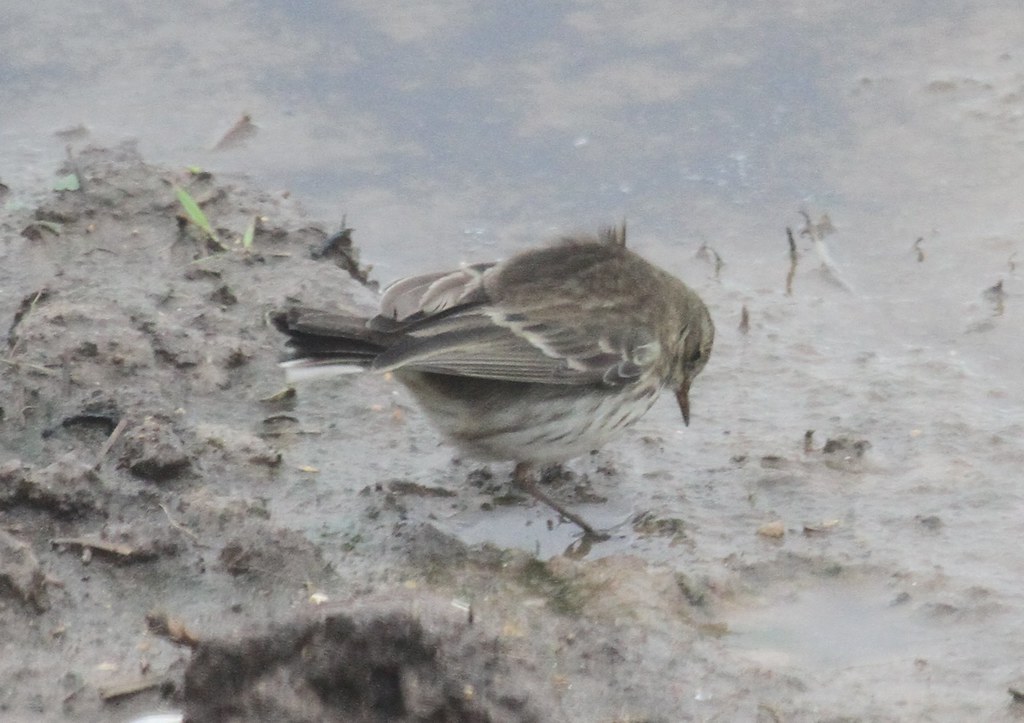
There were loads of birds around, mainly waterfowl and seabirds, but also some decent non-waterbirds. The Northern Harrier continued its stay in the Thornham area, but only being seen in the couple of hours after sunrise and before sunset, spending the rest of the time in various sites east of Thornham. A couple of ringtail Hen Harriers in the area provided a good comparison. Titchwell had quite a hoard of birds on it over the weekend. The freshmarsh was host to an imm. Greater Scaup, whilst 50+ Twite and 3 Water Pipits fed on the seeded areas of the brackish-marsh. The sea and beach were the highlight though. 9 Shorelark fed just inside the dunes, whilst at sea 2000+ Common Scoter, 7+ Velvet Scoter, 3+ Red-necked Grebes, Slav Grebe, 4 Long-tailed Duck, juvenile Iceland Gull and a smattering of Common Eider and Red-breasted Mergansers made exciting viewing.
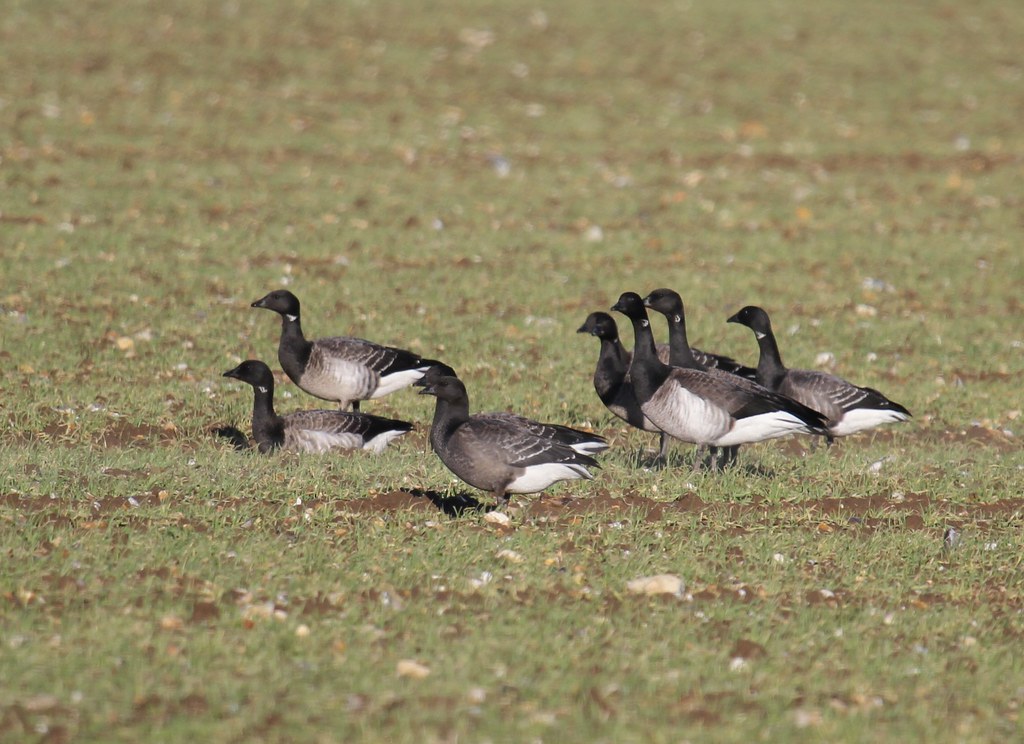
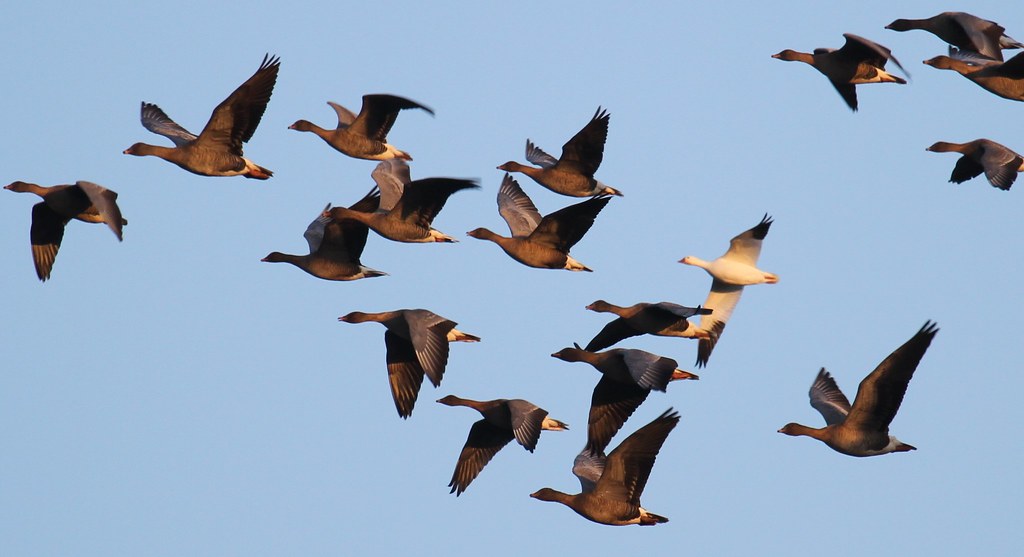
One of the Ross's Geese put on a nice flyby at Holkham with a spectacular flock of about 20,000 Pink-feet, whilst a juvenile Rough-legged Buzzard put in a nice aerial display. We also found 2 Tundra Bean Geese in a field next to Stiffkey Fen before they all upped and offed towards Blakeney and a nice flock of 12 Pale-belled Brent Geese with some Dark-bellieds showed close to the road at Crabbe Castle Farm, Whighton.

Cley Marshes was a bit quiet, but even that had a lovely drake American Wigeon.

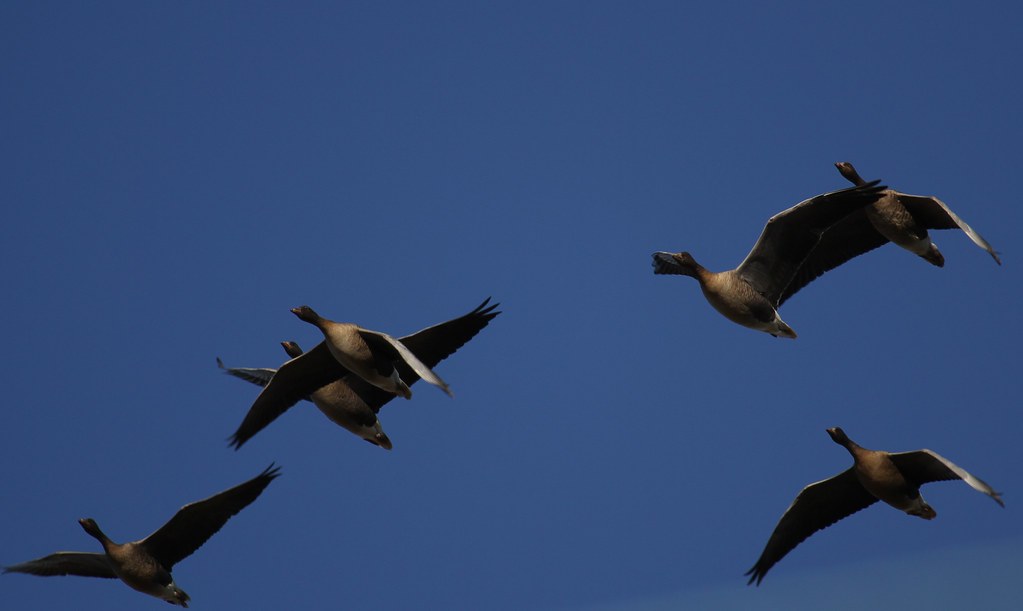
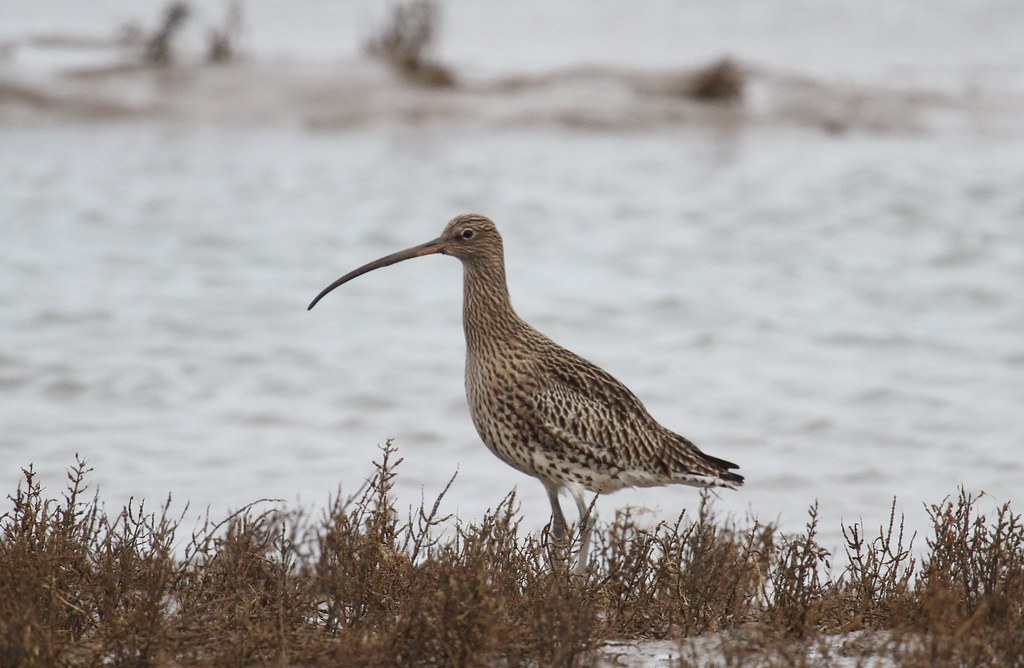
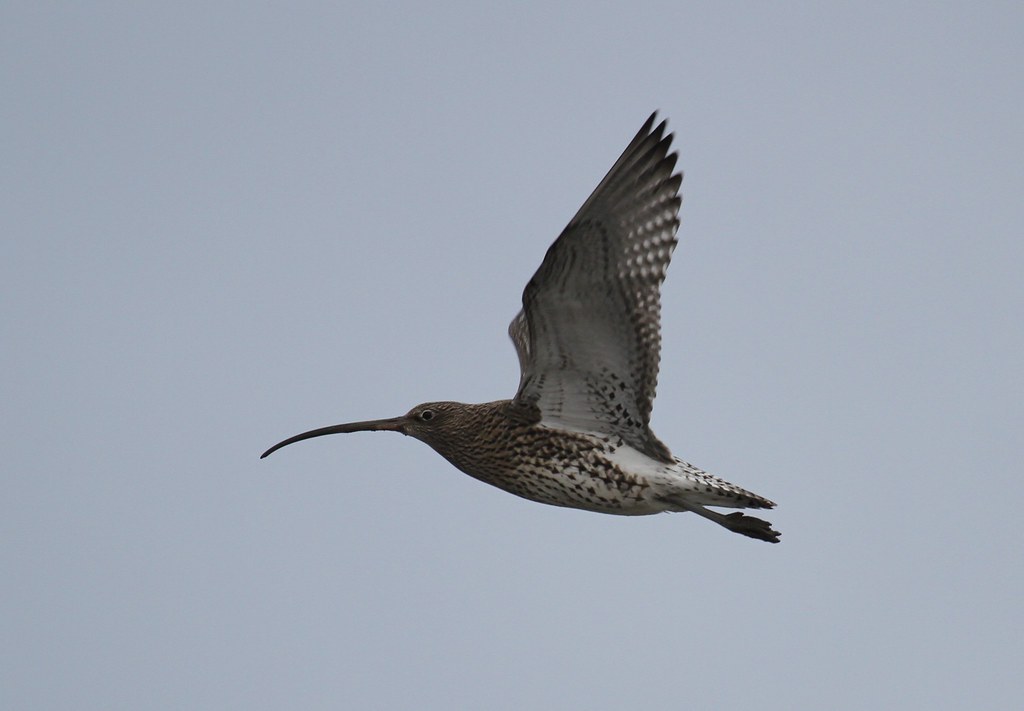
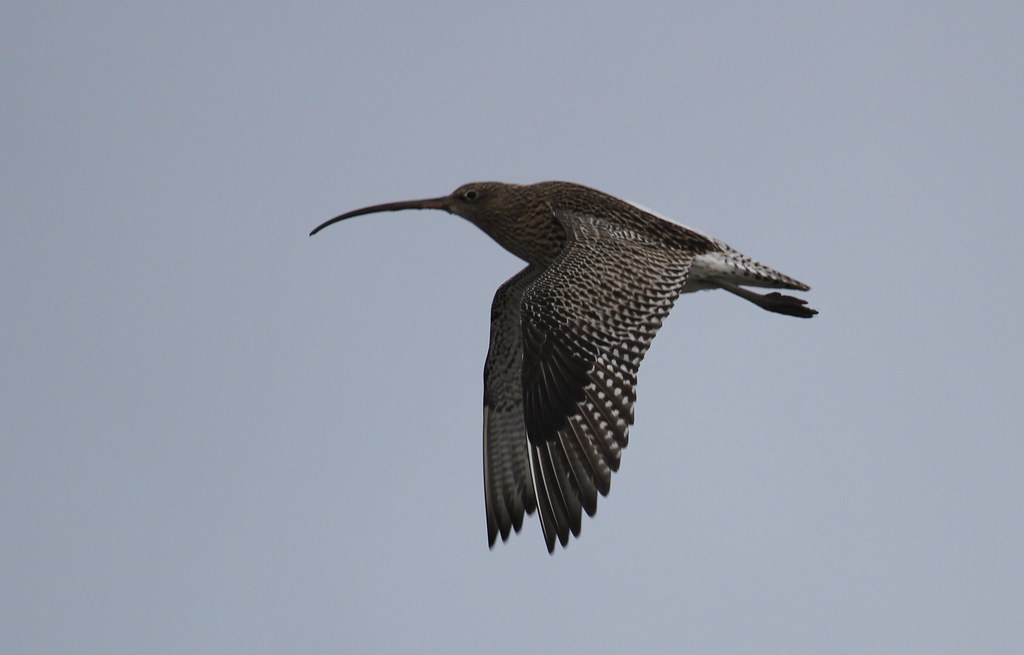
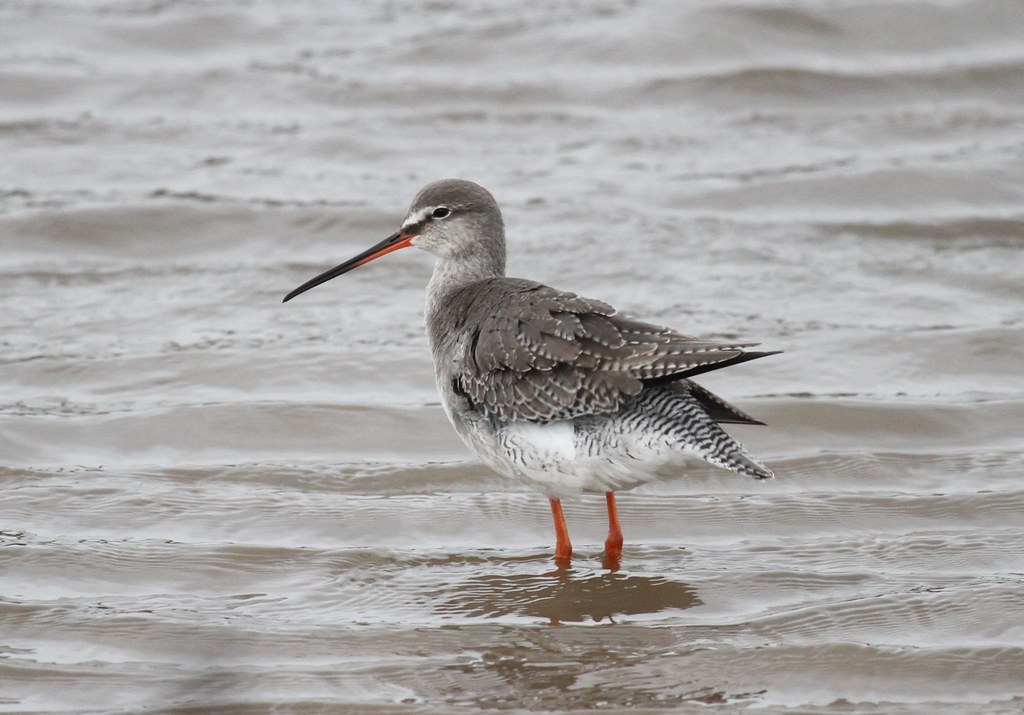
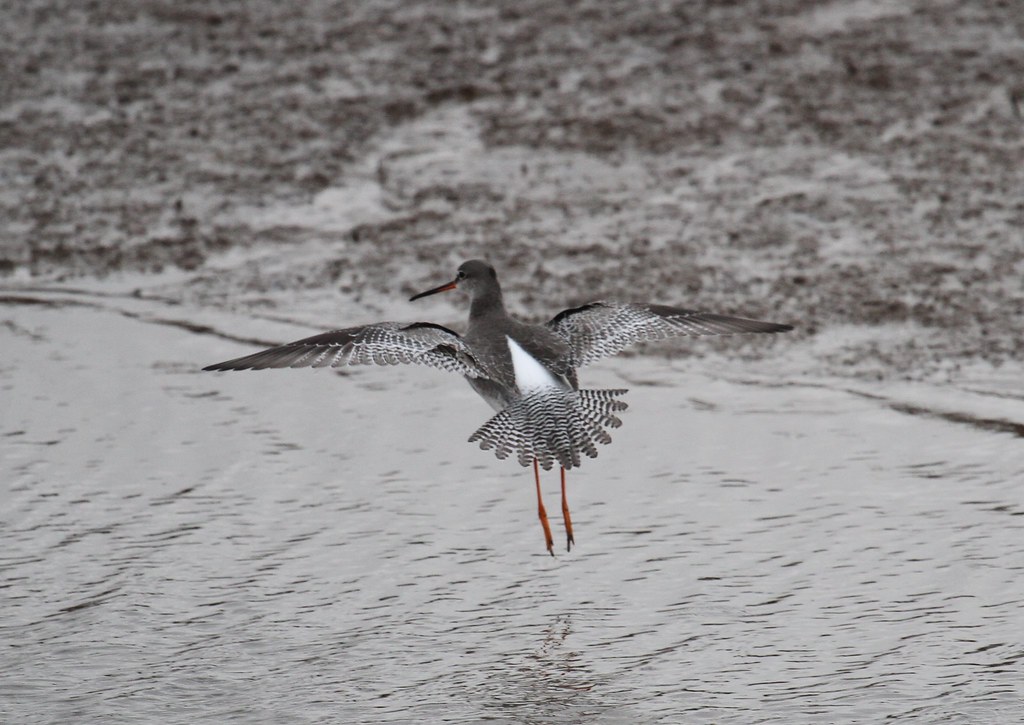
Photos below (in order from top): Pink-footed Geese in flight, Dark-belled Brent in flight, Pale-bellied and Dark-bellied Brent Geese, Ross's Goose in flight with Pink-footed Geese (x2), Eurasian Curlew (x3), Spotted Redshank (x2), Little Owl, Water Pipit (x2) and video of Shorelarks.


I had some birding friends visiting this weekend - Dave Foster from Whitburn and Richard Crossley from Cape May were in North Norfolk, so I spent the weekend on the coast birding with Dave and Mark Golley, but not managing to catch up with Richard. The weather started off quite wet and overcast on Saturday morning, but this soon passed and the rest of the weekend was lovely clear skies, albeit with a rather bone-chilling wind.
There were loads of birds around, mainly waterfowl and seabirds, but also some decent non-waterbirds. The Northern Harrier continued its stay in the Thornham area, but only being seen in the couple of hours after sunrise and before sunset, spending the rest of the time in various sites east of Thornham. A couple of ringtail Hen Harriers in the area provided a good comparison. Titchwell had quite a hoard of birds on it over the weekend. The freshmarsh was host to an imm. Greater Scaup, whilst 50+ Twite and 3 Water Pipits fed on the seeded areas of the brackish-marsh. The sea and beach were the highlight though. 9 Shorelark fed just inside the dunes, whilst at sea 2000+ Common Scoter, 7+ Velvet Scoter, 3+ Red-necked Grebes, Slav Grebe, 4 Long-tailed Duck, juvenile Iceland Gull and a smattering of Common Eider and Red-breasted Mergansers made exciting viewing.
One of the Ross's Geese put on a nice flyby at Holkham with a spectacular flock of about 20,000 Pink-feet, whilst a juvenile Rough-legged Buzzard put in a nice aerial display. We also found 2 Tundra Bean Geese in a field next to Stiffkey Fen before they all upped and offed towards Blakeney and a nice flock of 12 Pale-belled Brent Geese with some Dark-bellieds showed close to the road at Crabbe Castle Farm, Whighton.

Cley Marshes was a bit quiet, but even that had a lovely drake American Wigeon.

Photos below (in order from top): Pink-footed Geese in flight, Dark-belled Brent in flight, Pale-bellied and Dark-bellied Brent Geese, Ross's Goose in flight with Pink-footed Geese (x2), Eurasian Curlew (x3), Spotted Redshank (x2), Little Owl, Water Pipit (x2) and video of Shorelarks.


reade more... Résuméabuiyad

Twite

After a disappointing week with no Twite seen at the feeding station  it was great to get a phone call of Chris today to tell me  a flock of 50+ had been seen on Saturday/Sunday

I set off up to the Point of Ayre and as soon as i pulled up i counted 53 Twite sat on the fence right next 
to the seed. 
Ten minutes later they were flying down to the seed.

I let them feed and watched for about 2 hours taking shots and looking for colour rings.

I had packed all my woosh net stuff away last week so i decided to set it up again and let the birds get use to the poles.

as i set up they were landing next to me and didn't seem bothered about poles or me.


They stayed about from 11:30 until  3:30 and in amongst the showers and the visits from Merlin and Kestrel i managed to catch 


29 New birds
 now colour ringed with this years colours


Left Leg White ring   {colour for Isle of Man} 
 above
 Blue/Orange  {Year Ring 2011 Jan>June}
2011 Isle of Man colour ringed Twite
also caught were 3 retraps birds from 30 December 2010

Twite caught in IOM 30 December 2010  


and a controlled bird from Machrihanish 
Right leg Green\White split ring
Left leg BTO Metal Green\White Split ring

Machrihanish Twite
Thanks to Chris for the call and to Dave Sowter and Roy Rhoades 
for the colour rings

Click for bigger image


After a disappointing week with no Twite seen at the feeding station  it was great to get a phone call of Chris today to tell me  a flock of 50+ had been seen on Saturday/Sunday

I set off up to the Point of Ayre and as soon as i pulled up i counted 53 Twite sat on the fence right next 
to the seed. 
Ten minutes later they were flying down to the seed.

I let them feed and watched for about 2 hours taking shots and looking for colour rings.

I had packed all my woosh net stuff away last week so i decided to set it up again and let the birds get use to the poles.

as i set up they were landing next to me and didn't seem bothered about poles or me.


They stayed about from 11:30 until  3:30 and in amongst the showers and the visits from Merlin and Kestrel i managed to catch 


29 New birds
 now colour ringed with this years colours


Left Leg White ring   {colour for Isle of Man} 
 above
 Blue/Orange  {Year Ring 2011 Jan>June}
2011 Isle of Man colour ringed Twite
also caught were 3 retraps birds from 30 December 2010

Twite caught in IOM 30 December 2010  


and a controlled bird from Machrihanish 
Right leg Green\White split ring
Left leg BTO Metal Green\White Split ring

Machrihanish Twite
Thanks to Chris for the call and to Dave Sowter and Roy Rhoades 
for the colour rings

Click for bigger image


reade more... Résuméabuiyad

GOOSANDER. ANOTHER FIRST FOR EXTREMADURA

Goosander (Mergus merganser), first winter female. La Torrecilla, Plasencia, Cáceres. 09-01-11. Top, resting on land among a small flock of Teal (Anas crecca); Bottom, swimming next to a female Shoveler (Anas clypeata). Photographer: Javier Prieta. See more photographs.

Extremadura clocks up another first, the third new species since this blog came online eight months ago in May 2010. The species this time is Goosander (Mergus merganser), joining the Pied Billed Grebe and Buff-Breasted Sandpiper, which featured in earlier blog entries.

The sawbills are fish-eating diving ducks that take their name from the serrated edges of their thin beaks. A solitary female Red Breasted Merganser (Mergus serrator), spotted by Santiago Villa in Brozas back in March 1997, was hitherto the only sawbill previously seen in Extremadura. Now another young female, this time of its cousin species the Goosander, found by Sergio Mayordomo in Plasencia on 9 January 2011, can be added to this meagre list (other observers: Ricardo Montero and Javier Prieta; on 11 Jan was found by SM, JP, Miguel Ángel Muñoz y Eva Palacios).

The Goosander breeds in the Taiga of North America and Eurasia, wintering further south but without reaching Spain, where it is classed as a rare vagrant. From 1984 to 2008 there were only 28 accepted records involving 62 birds, all on mainland Spain (CR-SEO, 2006-2010). In Portugal it has been recorded only twice (Catry et al. 2010). According to De Juana (2006) it turns up in Spain only when driven further south by cold spells on continental Europe, so some years there are no records at all. Until 2003 only one bird among 28 records turned up in an inland province (Navarre) and only two were in the southern half of the country (Albufera de Valencia and Odiel, Huelva). All the birds were recorded between November and March, with 83% of the birds being seen in only three winters, females clearly outnumbering drakes (2:1). In the 2004-2008 period only five single birds were accepted (CR-SEO, 2006-2010); these records were atypical since three of the birds turned up inland (Huesca, Ciudad Real-Toledo and Granada) and two of them were in spring (one in May and the other in June). In 2009, a year for which the rarity report has not yet been published, there were several typical records in Galicia and Asturias and another in Zamora (Rare Birds in Spain).

The cold snap that hit the centre and north of Europe in December 2010 produced a considerable influx of Goosanders into Spain. To find something similar we need to go right back to 1984-1985, with 6 records involving a total of 22 birds. The first bird appeared on 04/12/2010 with over 30 birds then being observed in 20 different sites in 15 provinces by 10/01/2011. As well as the sheer number, this wave of observations is also notable for the total lack of drakes, only females being seen, and also because over half of the provinces involved, 8, were inland (sources: Rare Birds in Spain and Reservoir Birds).

Spanish provinces with Goosander (Mergus merganser) records between 04/12/2010 and 10/01/2011 (sources: Rare Birds in Spain and Reservoir Birds).

References: - De Juana, E. 2006. Aves raras de España. Lynx Edicions. Barcelona. - Catry, P., Costa, H., Elias, G. and Matias, R. 2010. Aves de Portugal. Ornitologia do território continental. Assírio & Alvim. Lisbon. - CR-SEO (SEO Rarities Committee). 2006-2010. Observaciones de aves raras en España. 2004-2008. Ardeola 53, 54, 55, 56 and 57.
Goosander (Mergus merganser), first winter female. La Torrecilla, Plasencia, Cáceres. 09-01-11. Top, resting on land among a small flock of Teal (Anas crecca); Bottom, swimming next to a female Shoveler (Anas clypeata). Photographer: Javier Prieta. See more photographs.

Extremadura clocks up another first, the third new species since this blog came online eight months ago in May 2010. The species this time is Goosander (Mergus merganser), joining the Pied Billed Grebe and Buff-Breasted Sandpiper, which featured in earlier blog entries.

The sawbills are fish-eating diving ducks that take their name from the serrated edges of their thin beaks. A solitary female Red Breasted Merganser (Mergus serrator), spotted by Santiago Villa in Brozas back in March 1997, was hitherto the only sawbill previously seen in Extremadura. Now another young female, this time of its cousin species the Goosander, found by Sergio Mayordomo in Plasencia on 9 January 2011, can be added to this meagre list (other observers: Ricardo Montero and Javier Prieta; on 11 Jan was found by SM, JP, Miguel Ángel Muñoz y Eva Palacios).

The Goosander breeds in the Taiga of North America and Eurasia, wintering further south but without reaching Spain, where it is classed as a rare vagrant. From 1984 to 2008 there were only 28 accepted records involving 62 birds, all on mainland Spain (CR-SEO, 2006-2010). In Portugal it has been recorded only twice (Catry et al. 2010). According to De Juana (2006) it turns up in Spain only when driven further south by cold spells on continental Europe, so some years there are no records at all. Until 2003 only one bird among 28 records turned up in an inland province (Navarre) and only two were in the southern half of the country (Albufera de Valencia and Odiel, Huelva). All the birds were recorded between November and March, with 83% of the birds being seen in only three winters, females clearly outnumbering drakes (2:1). In the 2004-2008 period only five single birds were accepted (CR-SEO, 2006-2010); these records were atypical since three of the birds turned up inland (Huesca, Ciudad Real-Toledo and Granada) and two of them were in spring (one in May and the other in June). In 2009, a year for which the rarity report has not yet been published, there were several typical records in Galicia and Asturias and another in Zamora (Rare Birds in Spain).

The cold snap that hit the centre and north of Europe in December 2010 produced a considerable influx of Goosanders into Spain. To find something similar we need to go right back to 1984-1985, with 6 records involving a total of 22 birds. The first bird appeared on 04/12/2010 with over 30 birds then being observed in 20 different sites in 15 provinces by 10/01/2011. As well as the sheer number, this wave of observations is also notable for the total lack of drakes, only females being seen, and also because over half of the provinces involved, 8, were inland (sources: Rare Birds in Spain and Reservoir Birds).

Spanish provinces with Goosander (Mergus merganser) records between 04/12/2010 and 10/01/2011 (sources: Rare Birds in Spain and Reservoir Birds).

References: - De Juana, E. 2006. Aves raras de España. Lynx Edicions. Barcelona. - Catry, P., Costa, H., Elias, G. and Matias, R. 2010. Aves de Portugal. Ornitologia do território continental. Assírio & Alvim. Lisbon. - CR-SEO (SEO Rarities Committee). 2006-2010. Observaciones de aves raras en España. 2004-2008. Ardeola 53, 54, 55, 56 and 57.
reade more... Résuméabuiyad

DECEMBER 2010: Notable bird sightings in Extremadura

Black Kite (Milvus migrans). Mérida Landfill Site, Badajoz, 03-12-10 (Ángel Sánchez).

A list of the most notable records sent to the GOCE forum in December 2010 (compiled by Sergio Mayordomo). Click here for backdated months.

-Canada Goose: 2 at Moheda Alta, Navalvillar de Pela (Bajadoz) on 19/12 (Álvaro Díaz Pastor et al).
-Barnacle Goose: one at Valdecañas Reservoir (Cáceres) on 8/12 (Javier Briz and Vicente Risco) and 11/12 (Ángel Sánchez); 2 at Moheda Alta, Navalvillar de Pela (Bajadoz), on 19/12 (Á. Díaz Pastor et al).
-Shelduck: 3 at Los Canchales Reservoir (Bajadoz) on 6/12 (Á. Sánchez).
-Ruddy Shelduck: 3 at Casas de Hitos, Navalvillar de Pela (Bajadoz) on 4/12 (César Clemente, Javier Mahillo, Martin Kelsey and Sergio Mayordomo) and another 3 birds at Moheda Alta, Navalvillar de Pela (Bajadoz) on 19/12 (Á. Díaz Pastor et al).
-Wood Duck: one drake in a pond at Guijo de Coria (Cáceres) on 17/12 (C. Clemente), 20/12 (S. Mayordomo) and 29/12 (Javier Prieta).
-Mandarin Duck: one bird with atypical plumage on Tentudía Reservoir (Bajadoz) on 26/12 (Alberto Pacheco).
-Teal: count of 1000 birds on the pond of Torrecilla, Plasencia (Cáceres), on 11/12 (J. Prieta).
-Tufted Duck: 77 birds on the pond at Brozas (Cáceres) on 29/12 (S. Mayordomo).
-Black-Necked Grebe: 3 on the pond at Brozas (Cáceres) on 29/12 (S. Mayordomo).
-Glossy Ibis: 2 at Moheda Alta, Navalvillar de Pela (Bajadoz) on 27/12 (Antonio Ceballos).
-Little Bittern: wintering birds on the River Guadiana: 5 at Badajoz on 1/12 (Juan Pablo Prieto), 4 at Badajoz on 8/12 (Juan Carlos Paniagua) and one at Mérida on 25/12 (Á. Sánchez). One bird on Valdefuentes gravel pit, Galisteo (Cáceres) on 2/12 (S. Mayordomo),
-Black Stork: 2 birds seen at Oliva de Plasencia (Cáceres) on 22/12 (Raúl Guzmán) and on 26/12 (Ricardo Montero). On 26/12 one at Santa Cruz de la Sierra (Cáceres) (Manuel Rodríguez).
-Osprey: one at La Nava de Santiago (Bajadoz) on 8/12 (Á. Sánchez); at Arroyo Guerrero, La Roca de la Sierra (Bajadoz), on 15/12 (Ángel Luis Sánchez); at Ahigal Reservoir (Cáceres) on 17/12 (S. Mayordomo) and at Arrocampo Reservoir (Cáceres) on 30/12 (S. Mayordomo).
-Short-Toed Eagle: first December record for Extremadura: one bird seen near El Gordo on the border between Cáceres and Toledo on 7/12 (J. Briz).
-Black Kite: one bird at Mérida Landfill Site (Bajadoz) on 3/12 (Á. Sánchez) and Mirabel Landfill Site (Cáceres) on 15/12 (J. Prieta and S. Mayordomo).
-Egyptian Vulture: one adult at La Roca de La Sierra (Bajadoz) on 15/12 (Á. L. Sánchez) and 3 adults at Canchos de Ramiro (Cáceres) on 26/12 (C. Clemente).
-Griffon Vulture: a pair incubating an early clutch on 19/12 at Salto del Gitano, Monfragüe (Cáceres) (Manuel García del Rey and S. Mayordomo).
-Bonelli's Eagle: one juvenile at Montemolín (Bajadoz) on 10/12 (A. Pacheco).
-Imperial Eagle: juveniles at Montemolín (Bajadoz) on 10/12 (A. Pacheco) and at Llera (Bajadoz) on 11/12 (Antonio Núñez).
-Goshawk: one bird in display flight at Pinofranqueado (Cáceres) on 13/12 (A. Pacheco).
-Montagu's Harrier: first wintering record for Extremadura: one adult male at Navas del Madroño (Cáceres) on 29/12 (A. Ceballos)
-Lesser Kestrel: 5 wintering birds seen in December at Acedera (Bajadoz) (Manuel Gómez). One bird seen at Mérida (Bajadoz) on 25/12 (Á. Sánchez) and at Jaraíz de la Vera (Cáceres) on 26/12 (Jaime Collado).
-Purple Swamphen: another bird seen at Valdefuentes gravel pit, Galisteo (Cáceres) on 2/12 (S. Mayordomo).
-Stone Curlew: 175-bird roost at La Nava de Santiago (Bajadoz) on 8/12 (Á. Sánchez).
-Black-Winged Stilt: Biggest ever wintering flock in Extremadura: about 1000 birds on the ricefields of Santa Amalia (Bajadoz) on 30/12 (Á. Sánchez).
-Avocet: 3 at Galisteo Lake (Cáceres) on 2/12 (S. Mayordomo); 11 at Laguna Grande de La Albuera (Bajadoz) on 4/12 (J. C. Paniagua); 2 at Lugar Nuevo, Peraleda de la Mata (Cáceres) on 11/12 (Dave Langlois, J. Briz and Samuel Langlois) and one on the ricefields of Santa Amalia (Bajadoz) on 30/12 (Á. Sánchez).
-Kentish Plover: 9 at Santa Amalia (Bajadoz) on 26/12 (Fernando Yuste) and 25 on 30/12 (Á. Sánchez). In both cases some of the birds were in summer plumage.
-Curlew: 5 at Los Canchales Reservoir (Bajadoz) on 6/12 (Á. Sánchez); one at El Ancho, Arroyo de la Luz (Cáceres), on 10/12 (S. Mayordomo); 4 at Santa Amalia (Bajadoz) on 18/12 (F. Yuste); one at Riolobos (Cáceres) on 19/12 (C. Clemente and J. Mahillo); 8 at Galisteo on 22/12 (R. Montero) and 15 at Casar de Miajadas (Cáceres) on 24/12 (M. Rodríguez).
-Woodcock: one at Dehesa Boyal de Montehermoso (Cáceres) on 26/12 (comment by C. Clemente). One at Santa cruz de Paniagua (Cáceres) on 31/12 (J. C. Paniagua).
-Spotted Redshank: one on ricefields of Santa Amalia (Bajadoz) on 30/12 (Á. Sánchez).
-Ruff: 400 on ricefields of Santa Amalia (Bajadoz) on 30/12 (Á. Sánchez).
-Knot: one juvenile at Portaje Reservoir on 3/12 (S. Mayordomo).
-Mediterranean Gull: 2 at Mérida (Bajadoz) on 25/12 (Á. Sánchez).
-Common Gull: One at Mérida (Bajadoz) on 25/12 (Á. Sánchez).
-Yellow-Legged Gull: one adult on 10/12 and 29/12 at El Ancho, Arroyo de la Luz (Cáceres) (S. Mayordomo); one at Mérida (Bajadoz) on 25/12 (Á. Sánchez) and another at Valdesalor Reservoir (Cáceres) on 27/12 (S. Mayordomo).
-Stock Dove: 40 birds at Riolobos (Cáceres) on 19/12 (C. Clemente and J. Mahillo).
-Long-Eared Owl: one bird at Ribera del Fresno (Bajadoz) on 11/12 (A. Núñez).
-Short-Eared Owl: roost of 3 birds at Santa Amalia (Bajadoz) (F. Yuste and Jesús Porras) and one bird at Casas de Hitos, Navalvillar de Pela (Bajadoz), on 19/12 (Á. Díaz Pastor et al).
-Wryneck: 2 at Arrocampo Reservoir (Cáceres) on 21/12 (Chris Mills) and one bird at Plasencia on 24/12 (Eva Palacios) and on 31/12 (R. Montero)
-Red-Rumped Swallow: one bird at Monfragüe (Cáceres) on 24/12 (C. Mills).
-Goldcrest: 2 in Mediterranean woodland at Canchos de Ramiro (Cáceres) on 22/12 (R. Montero). 3 at Valdesalor dam (Cáceres) on 26/12 (A. Ceballos)
-Alpine Accentor: 22 at Monesterio (Bajadoz) on 26/12 (A. Pacheco).
Black Kite (Milvus migrans). Mérida Landfill Site, Badajoz, 03-12-10 (Ángel Sánchez).

A list of the most notable records sent to the GOCE forum in December 2010 (compiled by Sergio Mayordomo). Click here for backdated months.

-Canada Goose: 2 at Moheda Alta, Navalvillar de Pela (Bajadoz) on 19/12 (Álvaro Díaz Pastor et al).
-Barnacle Goose: one at Valdecañas Reservoir (Cáceres) on 8/12 (Javier Briz and Vicente Risco) and 11/12 (Ángel Sánchez); 2 at Moheda Alta, Navalvillar de Pela (Bajadoz), on 19/12 (Á. Díaz Pastor et al).
-Shelduck: 3 at Los Canchales Reservoir (Bajadoz) on 6/12 (Á. Sánchez).
-Ruddy Shelduck: 3 at Casas de Hitos, Navalvillar de Pela (Bajadoz) on 4/12 (César Clemente, Javier Mahillo, Martin Kelsey and Sergio Mayordomo) and another 3 birds at Moheda Alta, Navalvillar de Pela (Bajadoz) on 19/12 (Á. Díaz Pastor et al).
-Wood Duck: one drake in a pond at Guijo de Coria (Cáceres) on 17/12 (C. Clemente), 20/12 (S. Mayordomo) and 29/12 (Javier Prieta).
-Mandarin Duck: one bird with atypical plumage on Tentudía Reservoir (Bajadoz) on 26/12 (Alberto Pacheco).
-Teal: count of 1000 birds on the pond of Torrecilla, Plasencia (Cáceres), on 11/12 (J. Prieta).
-Tufted Duck: 77 birds on the pond at Brozas (Cáceres) on 29/12 (S. Mayordomo).
-Black-Necked Grebe: 3 on the pond at Brozas (Cáceres) on 29/12 (S. Mayordomo).
-Glossy Ibis: 2 at Moheda Alta, Navalvillar de Pela (Bajadoz) on 27/12 (Antonio Ceballos).
-Little Bittern: wintering birds on the River Guadiana: 5 at Badajoz on 1/12 (Juan Pablo Prieto), 4 at Badajoz on 8/12 (Juan Carlos Paniagua) and one at Mérida on 25/12 (Á. Sánchez). One bird on Valdefuentes gravel pit, Galisteo (Cáceres) on 2/12 (S. Mayordomo),
-Black Stork: 2 birds seen at Oliva de Plasencia (Cáceres) on 22/12 (Raúl Guzmán) and on 26/12 (Ricardo Montero). On 26/12 one at Santa Cruz de la Sierra (Cáceres) (Manuel Rodríguez).
-Osprey: one at La Nava de Santiago (Bajadoz) on 8/12 (Á. Sánchez); at Arroyo Guerrero, La Roca de la Sierra (Bajadoz), on 15/12 (Ángel Luis Sánchez); at Ahigal Reservoir (Cáceres) on 17/12 (S. Mayordomo) and at Arrocampo Reservoir (Cáceres) on 30/12 (S. Mayordomo).
-Short-Toed Eagle: first December record for Extremadura: one bird seen near El Gordo on the border between Cáceres and Toledo on 7/12 (J. Briz).
-Black Kite: one bird at Mérida Landfill Site (Bajadoz) on 3/12 (Á. Sánchez) and Mirabel Landfill Site (Cáceres) on 15/12 (J. Prieta and S. Mayordomo).
-Egyptian Vulture: one adult at La Roca de La Sierra (Bajadoz) on 15/12 (Á. L. Sánchez) and 3 adults at Canchos de Ramiro (Cáceres) on 26/12 (C. Clemente).
-Griffon Vulture: a pair incubating an early clutch on 19/12 at Salto del Gitano, Monfragüe (Cáceres) (Manuel García del Rey and S. Mayordomo).
-Bonelli's Eagle: one juvenile at Montemolín (Bajadoz) on 10/12 (A. Pacheco).
-Imperial Eagle: juveniles at Montemolín (Bajadoz) on 10/12 (A. Pacheco) and at Llera (Bajadoz) on 11/12 (Antonio Núñez).
-Goshawk: one bird in display flight at Pinofranqueado (Cáceres) on 13/12 (A. Pacheco).
-Montagu's Harrier: first wintering record for Extremadura: one adult male at Navas del Madroño (Cáceres) on 29/12 (A. Ceballos)
-Lesser Kestrel: 5 wintering birds seen in December at Acedera (Bajadoz) (Manuel Gómez). One bird seen at Mérida (Bajadoz) on 25/12 (Á. Sánchez) and at Jaraíz de la Vera (Cáceres) on 26/12 (Jaime Collado).
-Purple Swamphen: another bird seen at Valdefuentes gravel pit, Galisteo (Cáceres) on 2/12 (S. Mayordomo).
-Stone Curlew: 175-bird roost at La Nava de Santiago (Bajadoz) on 8/12 (Á. Sánchez).
-Black-Winged Stilt: Biggest ever wintering flock in Extremadura: about 1000 birds on the ricefields of Santa Amalia (Bajadoz) on 30/12 (Á. Sánchez).
-Avocet: 3 at Galisteo Lake (Cáceres) on 2/12 (S. Mayordomo); 11 at Laguna Grande de La Albuera (Bajadoz) on 4/12 (J. C. Paniagua); 2 at Lugar Nuevo, Peraleda de la Mata (Cáceres) on 11/12 (Dave Langlois, J. Briz and Samuel Langlois) and one on the ricefields of Santa Amalia (Bajadoz) on 30/12 (Á. Sánchez).
-Kentish Plover: 9 at Santa Amalia (Bajadoz) on 26/12 (Fernando Yuste) and 25 on 30/12 (Á. Sánchez). In both cases some of the birds were in summer plumage.
-Curlew: 5 at Los Canchales Reservoir (Bajadoz) on 6/12 (Á. Sánchez); one at El Ancho, Arroyo de la Luz (Cáceres), on 10/12 (S. Mayordomo); 4 at Santa Amalia (Bajadoz) on 18/12 (F. Yuste); one at Riolobos (Cáceres) on 19/12 (C. Clemente and J. Mahillo); 8 at Galisteo on 22/12 (R. Montero) and 15 at Casar de Miajadas (Cáceres) on 24/12 (M. Rodríguez).
-Woodcock: one at Dehesa Boyal de Montehermoso (Cáceres) on 26/12 (comment by C. Clemente). One at Santa cruz de Paniagua (Cáceres) on 31/12 (J. C. Paniagua).
-Spotted Redshank: one on ricefields of Santa Amalia (Bajadoz) on 30/12 (Á. Sánchez).
-Ruff: 400 on ricefields of Santa Amalia (Bajadoz) on 30/12 (Á. Sánchez).
-Knot: one juvenile at Portaje Reservoir on 3/12 (S. Mayordomo).
-Mediterranean Gull: 2 at Mérida (Bajadoz) on 25/12 (Á. Sánchez).
-Common Gull: One at Mérida (Bajadoz) on 25/12 (Á. Sánchez).
-Yellow-Legged Gull: one adult on 10/12 and 29/12 at El Ancho, Arroyo de la Luz (Cáceres) (S. Mayordomo); one at Mérida (Bajadoz) on 25/12 (Á. Sánchez) and another at Valdesalor Reservoir (Cáceres) on 27/12 (S. Mayordomo).
-Stock Dove: 40 birds at Riolobos (Cáceres) on 19/12 (C. Clemente and J. Mahillo).
-Long-Eared Owl: one bird at Ribera del Fresno (Bajadoz) on 11/12 (A. Núñez).
-Short-Eared Owl: roost of 3 birds at Santa Amalia (Bajadoz) (F. Yuste and Jesús Porras) and one bird at Casas de Hitos, Navalvillar de Pela (Bajadoz), on 19/12 (Á. Díaz Pastor et al).
-Wryneck: 2 at Arrocampo Reservoir (Cáceres) on 21/12 (Chris Mills) and one bird at Plasencia on 24/12 (Eva Palacios) and on 31/12 (R. Montero)
-Red-Rumped Swallow: one bird at Monfragüe (Cáceres) on 24/12 (C. Mills).
-Goldcrest: 2 in Mediterranean woodland at Canchos de Ramiro (Cáceres) on 22/12 (R. Montero). 3 at Valdesalor dam (Cáceres) on 26/12 (A. Ceballos)
-Alpine Accentor: 22 at Monesterio (Bajadoz) on 26/12 (A. Pacheco).
reade more... Résuméabuiyad