Pages

Sites near Magee Marsh 15 - 19 May 2011

There are plenty of other places to visit around Magee. If you want to increase the amount of species you see then it's a good idea to take a look at Kenn Kaufman's guide to the other birding areas. I visited Maumee Bay, Ottowa NWR, the Ottowa-Lucas road (for shorebirds) and a few other sites dotted around the Magee area.


Maumee Bay State Park is an excellent place to see gulls, Caspian Tern and migratory song birds. Head off to the last parking lot and check the beach and the large artificial lagoon for the first two. I had about 10 Caspian Terns plus about 100 American Herring Gulls and 50 Ring-billed Gulls. Head back the way you came and then go to the Nature Centre and take the boardwalk around the flooded woodland. Maumee is very good for thrushes. In one sweep across the forest floor I counted 16 Swainson's, 1 Veery and 1 Grey-cheeked Thrush plus I had more of all three at other places on the reserve.  The best bird I found there was a female Golden-winged Warbler near the Nature Centre and Eastern Wood-Peewee, Hairy Woodpecker, Indigo Bunting, Northern Waterthrush, a roosting Common Nighthawk and Rose-breasted Grosbeak.


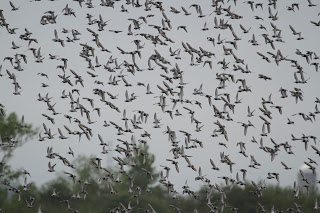


Shorebirds are quite difficult to find. They're mainly in flooded fields, but there is a nice marsh at the end of the Ottowa-Lucas Road which has a good number of birds in it. About 350 Dunlin with smaller numbers of Semi-p Sands, Semi-p Plovers, Least Sand, Greater and Lesser Yellowlegs, Spotted and Solitary Sandpiper and Turnstones. The best birds there though were a pair of Stilt Sandpipers that dropped in and spent the afternoon feeding on the lagoon. Also, the junction of Couduroy and Yondota (south of Cedar Point NWR) there were a few hundred Dunlin, 30 Black-bellied Plover, 100+ Turnstone plus 20 Buff-bellied Pipit and Horned Lark.


The road that goes south opposite the entrance to Ottowa NWR has Boblinks at the end of it. Drive for about 2 miles, go over the railway line and there is a flowering field on the left about a quarter of a mile after (if you get to the stop sign, you've gone a little too far). There were about 10-15 birds displaying one evening.


There are plenty of other places to visit around Magee. If you want to increase the amount of species you see then it's a good idea to take a look at Kenn Kaufman's guide to the other birding areas. I visited Maumee Bay, Ottowa NWR, the Ottowa-Lucas road (for shorebirds) and a few other sites dotted around the Magee area.


Maumee Bay State Park is an excellent place to see gulls, Caspian Tern and migratory song birds. Head off to the last parking lot and check the beach and the large artificial lagoon for the first two. I had about 10 Caspian Terns plus about 100 American Herring Gulls and 50 Ring-billed Gulls. Head back the way you came and then go to the Nature Centre and take the boardwalk around the flooded woodland. Maumee is very good for thrushes. In one sweep across the forest floor I counted 16 Swainson's, 1 Veery and 1 Grey-cheeked Thrush plus I had more of all three at other places on the reserve.  The best bird I found there was a female Golden-winged Warbler near the Nature Centre and Eastern Wood-Peewee, Hairy Woodpecker, Indigo Bunting, Northern Waterthrush, a roosting Common Nighthawk and Rose-breasted Grosbeak.


Shorebirds are quite difficult to find. They're mainly in flooded fields, but there is a nice marsh at the end of the Ottowa-Lucas Road which has a good number of birds in it. About 350 Dunlin with smaller numbers of Semi-p Sands, Semi-p Plovers, Least Sand, Greater and Lesser Yellowlegs, Spotted and Solitary Sandpiper and Turnstones. The best birds there though were a pair of Stilt Sandpipers that dropped in and spent the afternoon feeding on the lagoon. Also, the junction of Couduroy and Yondota (south of Cedar Point NWR) there were a few hundred Dunlin, 30 Black-bellied Plover, 100+ Turnstone plus 20 Buff-bellied Pipit and Horned Lark.


The road that goes south opposite the entrance to Ottowa NWR has Boblinks at the end of it. Drive for about 2 miles, go over the railway line and there is a flowering field on the left about a quarter of a mile after (if you get to the stop sign, you've gone a little too far). There were about 10-15 birds displaying one evening.


reade more... Résuméabuiyad
Magee Marsh: 17 - 19 May 201

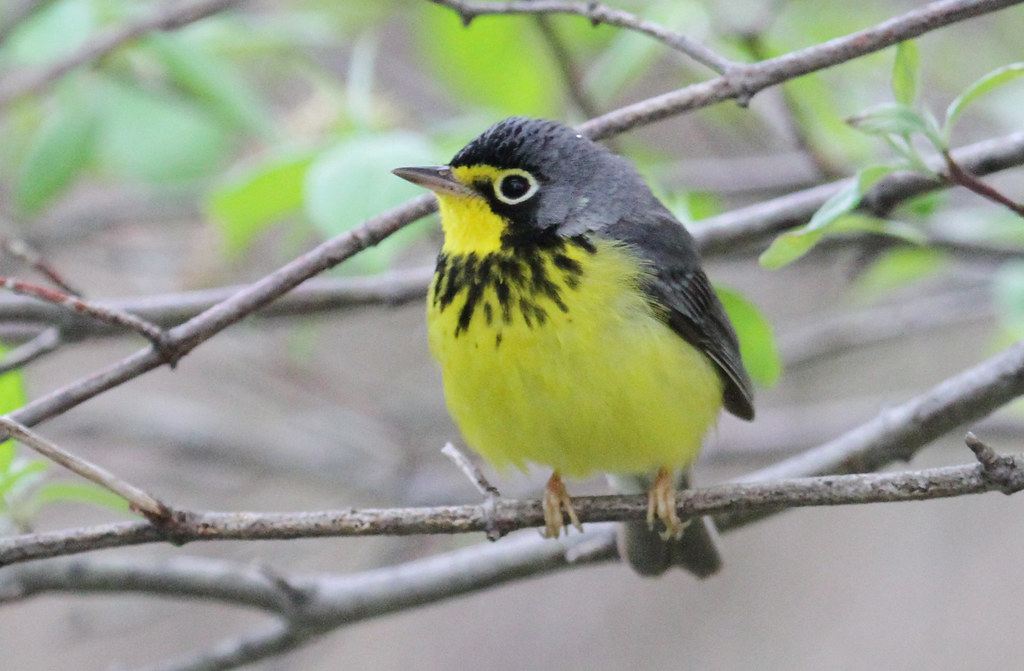
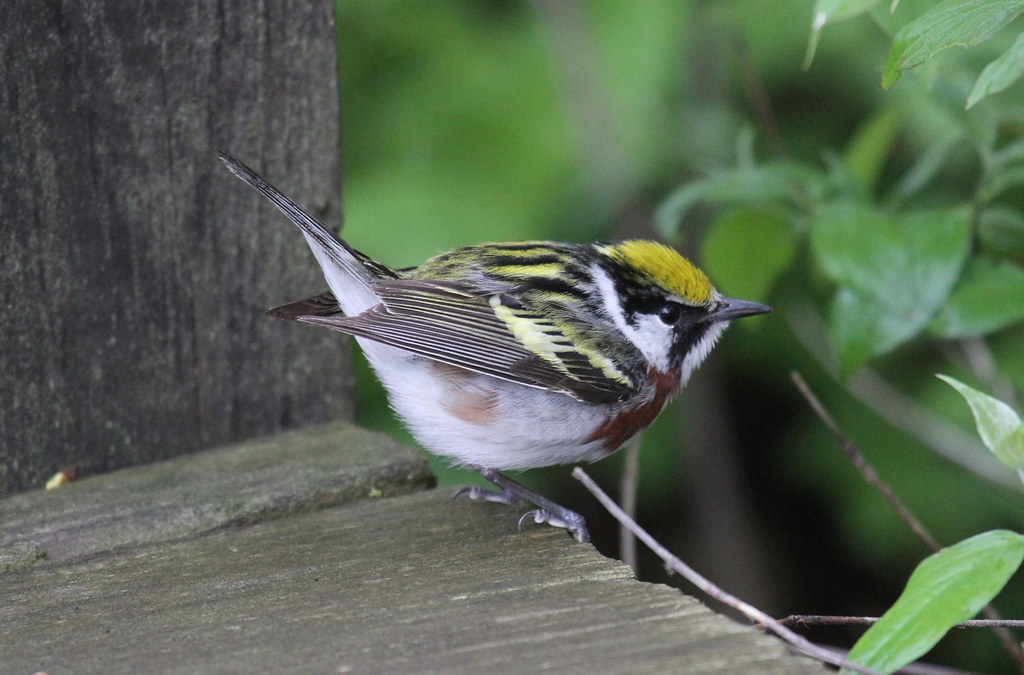
The weather let up a bit, with the rain generally being very light and the wind dying down slightly. There were still lots of birds around though. Over the 3 days the highlights were Eastern Screech-Owl, Least and Yellow-bellied Flycatcher, Philadelphia, Red-eyed and Warbling Vireos, Veery, Swainson's, Grey-cheeked and Wood Thrush, Brown Thrasher, 25 species of warbler, including Cape May, Blackburnian, Blue-winged, Tennessee, Connecticut, Mourning and Canada, Scarlet Tanager, Lincoln's Sparrow and Slate-colored Junco.

The morning of the 19 was particularly good. The wind dropped and the western side of the boardwalk was particularly birdy. I managed to find 2 Connecticut Warblers (or maybe the same one twice), 2 Mourning Warblers plus a Blue-winged Warbler in the north-east corner of the parking lot and a Slate-coloured Junco on the beach.


The weather let up a bit, with the rain generally being very light and the wind dying down slightly. There were still lots of birds around though. Over the 3 days the highlights were Eastern Screech-Owl, Least and Yellow-bellied Flycatcher, Philadelphia, Red-eyed and Warbling Vireos, Veery, Swainson's, Grey-cheeked and Wood Thrush, Brown Thrasher, 25 species of warbler, including Cape May, Blackburnian, Blue-winged, Tennessee, Connecticut, Mourning and Canada, Scarlet Tanager, Lincoln's Sparrow and Slate-colored Junco.

The morning of the 19 was particularly good. The wind dropped and the western side of the boardwalk was particularly birdy. I managed to find 2 Connecticut Warblers (or maybe the same one twice), 2 Mourning Warblers plus a Blue-winged Warbler in the north-east corner of the parking lot and a Slate-coloured Junco on the beach.


reade more... Résuméabuiyad

Chough Ringing in the Isle of Man

WEDNESDAY

A great mate of mine flew in for 3 days of Chough ringing on Wednesday.

Kane works for WWT and helps us with the North West Swan Group and other wildfowl sightings
i have been lucky enough to ring with Kane at various sites over the last 4 years including Martin Mere
and a very productive Coot catch at Southport back in 2009 and Meadow Pipits/ Twite and Heron catches

I picked Kane up at the airport at 09:15 and started to show him this great island

within the first hour we had ringed two Oystercatcher and an Adult Chough

we then set off up to Ramsey for a quick cup of tea at my house and then
on to the Point of Ayre were we ringed


1 Common Gull


1 Lesser Black-backed Gull which we colour ringed as well


Another Oystercatcher

Then on to some nest sites where 3 Ringed Plover were ringed


The day ended up at home with a fish and chip tea and 8 Herring Gulls caught in the Garden and
 7 colour ringed one being a retrap from the first catch that evening

THURSDAY

We had arranged the visit with the Chough Colour Ringing Project and we met Kev the next Morning


14 Chough Pulli were ringed that afternoon at various sites, at one nest the chicks were too small to ring
at the others there was a mixture of Feathers short to nearly ready to fledge


FRIDAY

Today was an early start as Kane flew out at 11:30

Before he left another 4 nests were visited with another 15 Chough ringed
Me and Kev visited another 3 sites with another 12 young ringed
on our travels we noticed 3 Ringed Plover Chick on the beach so they were added to the days totals


On the Tuesday another Chough nest was ringed, if we had left it any longer we might have missed them

So over the last 4 days 46 Chough pulli have been colour ringed
Thanks to Kev for sorting out all the combinations and the sites and giving up his sleep as he work shifts
and to Kane great to see him again
A great young Man who's attitude and positivity is a credit to the ringing scheme


WEDNESDAY

A great mate of mine flew in for 3 days of Chough ringing on Wednesday.

Kane works for WWT and helps us with the North West Swan Group and other wildfowl sightings
i have been lucky enough to ring with Kane at various sites over the last 4 years including Martin Mere
and a very productive Coot catch at Southport back in 2009 and Meadow Pipits/ Twite and Heron catches

I picked Kane up at the airport at 09:15 and started to show him this great island

within the first hour we had ringed two Oystercatcher and an Adult Chough

we then set off up to Ramsey for a quick cup of tea at my house and then
on to the Point of Ayre were we ringed


1 Common Gull


1 Lesser Black-backed Gull which we colour ringed as well


Another Oystercatcher

Then on to some nest sites where 3 Ringed Plover were ringed


The day ended up at home with a fish and chip tea and 8 Herring Gulls caught in the Garden and
 7 colour ringed one being a retrap from the first catch that evening

THURSDAY

We had arranged the visit with the Chough Colour Ringing Project and we met Kev the next Morning


14 Chough Pulli were ringed that afternoon at various sites, at one nest the chicks were too small to ring
at the others there was a mixture of Feathers short to nearly ready to fledge


FRIDAY

Today was an early start as Kane flew out at 11:30

Before he left another 4 nests were visited with another 15 Chough ringed
Me and Kev visited another 3 sites with another 12 young ringed
on our travels we noticed 3 Ringed Plover Chick on the beach so they were added to the days totals


On the Tuesday another Chough nest was ringed, if we had left it any longer we might have missed them

So over the last 4 days 46 Chough pulli have been colour ringed
Thanks to Kev for sorting out all the combinations and the sites and giving up his sleep as he work shifts
and to Kane great to see him again
A great young Man who's attitude and positivity is a credit to the ringing scheme


reade more... Résuméabuiyad

WINTERING HERON COUNT, JANUARY 2011: EXTREMADURA RESULTS

Cattle Egret (Bubulcus ibis). Galisteo, Cáceres. Javier Prieta

As already mentioned in this blog, the National Count of Wintering Herons was held last January. As usual the overall result will be published by SEO/BirdLife. For the moment, however, we can give you a foretaste of the Extremadura results.

The chosen methodology was to count birds in communal roosts. The main date was the weekend 15-16 January, although some counts were held a few days later. No information was obtained for the abundant but non-roost-forming Grey Heron. The same goes for the scarcer heron species (Squacco Heron and Bittern) or the ones that are nocturnal or difficult to detect (Little Bittern).

RESULTS BY SPECIES

Cattle Egret (Bubulcus ibis). 30,917 birds (22,315 in Badajoz and 8602 in Cáceres) in 38 roosts (23 in Badajoz and 15 in Cáceres). Eleven roosts held over one thousand birds, the standout ones being Azud de Badajoz (6103), River Zújar in Villanueva de la Serena (4200), Valuengo Reservoir (2700), Madrigalejo (2400) and River Guadiana in Montijo (2000). The attached map, plotting the location of the roosts, brings out the obvious importance of the River Guadiana and its surrounding meadows, which account for the lion's share of the regional population.

Little Egret (Egretta garzetta). 1273 birds (823 in Badajoz and 450 in Cáceres) in 38 roosts (20 in Badajoz and 18 in Cáceres). Seven roosts held over 50 birds, the biggest being Valuengo Reservoir (230), Madrigalejo (125) and River Guadiana in Montijo (100).

Great White Egret (Egretta alba). 67 birds in 18 roosts (31 in Badajoz and 36 in Cáceres). The biggest roosts were on the River Tiétar in Malpartida de Plasencia (15), Arrocampo Reservoir (9), Valdecaballeros Reservoir(7) and River Zújar in Villanueva de la Serena (6).

Night Heron (Nycticorax nycticorax). 52 birds in 5 roosts, all on the River Guadiana in the province of Badajoz. The most important roosts were Montijo Reservoir in Mérida (29) and Azud de Badajoz (10).

TREND

There's nothing specific to go on in terms of wintering herons in Extremadura. In January 1992 and 1993, however, two Iberian counts were conducted, giving the results by catchment areas (Fernández-Cruz and Farinha, 1992; Sarasa et al., 1993), but without breaking down the figures by regions or provinces. Working from the maps shown in the 1992 count, we estimate about 53,000 Cattle Egrets and 1500 Little Egrets in Extremadura. The 1993 figures were lower but the estimate is rougher because there is no map to go on; maybe the figures were about 42,000 and 700 respectively.

The number of Cattle Egret roosts has fallen from 64 in 1992 to 37 in 2011, a 40% drop. The fall in the number of birds was similar, about 35% on the mean figure for 1992-1993. This decline is much more notable in the Extremadura part of the Tagus catchment area (-60%) than in that of the River Guadiana (-20%). This figures should not really be taken in isolation, however, since the wintering population of the southwest Iberian Peninsula, including Portugal and Morocco, tends to behave as a metapopulation acting as a whole unit. Due consideration also has to be given to the possible differences in the censusing effort in the two years and the big swings from year to year and even month to month. Thus, in January 2011 5200 Cattle Egrets were counted in the Cáceres catchment area of the Tagus; only a few months earlier, in October 2010, two roosts alone pooled over 3000, this figure falling to 700 in January 2011 and then soaring to no less than 6000 in November 2007. Some districts with heron roosts in autumn were also empty by the following January. Although the information on previous years is bitty, it might well be a habitual practice for the Cáceres catchment area of the Tagus to have a bigger Cattle Egret population in autumn than in winter. What has been clearly recorded is a marked fall in some roosts associated with landfill sites; witness the case of the roost near the capital city of Cáceres capital, which was Spain's biggest in 1992, with nearly 8000 birds; by 2011 the number had dropped to one thousand.

As for the Little Egret, it is difficult to establish a clear trend due to the big difference in the estimated figures for January 1992 (1500 birds) and January 1993 (700). The number of roosts was almost the same 1992 (37) and in 2011 (38) and the number of birds in 2011 (1273) is 15% up on the mean figure for 1992-1993 (1100). Unlike the Cattle Egret, the Little Egret's wintering population has risen sharply in the Tagus catchment area since 1992, with a slight fall in the Guadiana. Another factor that has to be taken into consideration here is the possibility of confusion in some counts with the abundant Cattle Egrets; some small Little Egret roosts might even go totally unnoticed.

According to the annual January Wildfowl Count the trends in Spain (Molina, 2011) for the four heron species are:
- Cattle Egret: reduction in the 1991-2009 period and especially in 2000-2009
- Little Egret: sharp increase from 1991 to 2009, flattening out in 2000-2009
- Grey Heron: increase in the 1991-2009 period
- Great White Heron: sharp increase in the 1991-2009 period.

Lastly, neither in 1992 nor in 1993 were Night Herons or Great White Egrets detected in Extremadura; they would therefore seem to be new winter visitors to the region.

ACKNOWLEDGEMENTS

The National Wintering Heron Count is a project of SEO/BirdLifes' Bird Monitoring Area, run by Juan Carlos del Moral. In Extremadura the survey was coordinated by José María Traverso (Badajoz) and Javier Prieta (Cáceres). The fieldwork involved the collaboration of the 59 following collaborators
: Pablo Caballero Javier Prieta, César Clemente, Javier Mahillo, Sergio Mayordomo, Eva Palacios, Jesús Montero, Manuel García del Rey, Emilio Pérez-Balsalobre, Javier Briz, Vicente Risco, Laura Alicia Rodríguez, Carmelo López, Helios Dalmau, Colin Jewitt, Marcelino Cardalliaguet, F. Javier Caballero, José Luis Caballero, Martin Kelsey, Jesús Solana, Juan Carlos Paniagua, Emilio Costillo, Casimiro Corbacho, Fernando Yuste, José Gordillo, Pedro Schreur, Godfried Schreur, Jesús Morena, José Antonio Fimia, Maria Jesús Tarín, Alfredo Mirat, Jesus Rojas, Carmen Galán, Álvaro Martín, Chema Traverso, Álvaro Sánchez Arribas, Antonio Núñez, Diego González Romero, Raquel Rangel Vanessa de Alba, Toribio Álvarez, Celsa Agudo, José María Abad, Patricia Gordon, María Jesús García-Baquero, Manuel Parejo, Raquel García Hierro, J. Elías Rodríguez, Juan Luis Soriano, María Luisa Villoslada, Juan Antonio Barquero, Elvira del Viejo, Juan Villalobos, Antonia Cangas, José Ángel Salas, Gerardo Pizarro, Emilio Jiménez, Agustín Sanabria.

Sources
- Fernández-Cruz, M. & Farinha, J. C. 1992. Primer censo de ardeidas invernantes in la península Ibérica and Baleares (1991-92). Airo 3:41-54. [download PDF]
- Sarasa, C. G., Bartolomé, J., Fernández-Cruz, M. & Farinha, J. C. 1993. Segundo censo de ardeidas invernantes in la penínsulas Ibérica and Baleares (1992-93). Airo 4:41-50. [
download PDF]
- Molina, 2011. Censo nacional de aves acuáticas invernantes, Enero 2009. In, Escandell, V.; Palomino, D.; Molina, B.; Leal, A.; Remacha, C.; Bermejo, A.; De la Puente, J. and del Moral, J. C. (Eds.). Programas de seguimiento de SEO/BirdLife in 2009-2010. SEO/BirdLife. Madrid. [
download PDF]
Cattle Egret (Bubulcus ibis). Galisteo, Cáceres. Javier Prieta

As already mentioned in this blog, the National Count of Wintering Herons was held last January. As usual the overall result will be published by SEO/BirdLife. For the moment, however, we can give you a foretaste of the Extremadura results.

The chosen methodology was to count birds in communal roosts. The main date was the weekend 15-16 January, although some counts were held a few days later. No information was obtained for the abundant but non-roost-forming Grey Heron. The same goes for the scarcer heron species (Squacco Heron and Bittern) or the ones that are nocturnal or difficult to detect (Little Bittern).

RESULTS BY SPECIES

Cattle Egret (Bubulcus ibis). 30,917 birds (22,315 in Badajoz and 8602 in Cáceres) in 38 roosts (23 in Badajoz and 15 in Cáceres). Eleven roosts held over one thousand birds, the standout ones being Azud de Badajoz (6103), River Zújar in Villanueva de la Serena (4200), Valuengo Reservoir (2700), Madrigalejo (2400) and River Guadiana in Montijo (2000). The attached map, plotting the location of the roosts, brings out the obvious importance of the River Guadiana and its surrounding meadows, which account for the lion's share of the regional population.

Little Egret (Egretta garzetta). 1273 birds (823 in Badajoz and 450 in Cáceres) in 38 roosts (20 in Badajoz and 18 in Cáceres). Seven roosts held over 50 birds, the biggest being Valuengo Reservoir (230), Madrigalejo (125) and River Guadiana in Montijo (100).

Great White Egret (Egretta alba). 67 birds in 18 roosts (31 in Badajoz and 36 in Cáceres). The biggest roosts were on the River Tiétar in Malpartida de Plasencia (15), Arrocampo Reservoir (9), Valdecaballeros Reservoir(7) and River Zújar in Villanueva de la Serena (6).

Night Heron (Nycticorax nycticorax). 52 birds in 5 roosts, all on the River Guadiana in the province of Badajoz. The most important roosts were Montijo Reservoir in Mérida (29) and Azud de Badajoz (10).

TREND

There's nothing specific to go on in terms of wintering herons in Extremadura. In January 1992 and 1993, however, two Iberian counts were conducted, giving the results by catchment areas (Fernández-Cruz and Farinha, 1992; Sarasa et al., 1993), but without breaking down the figures by regions or provinces. Working from the maps shown in the 1992 count, we estimate about 53,000 Cattle Egrets and 1500 Little Egrets in Extremadura. The 1993 figures were lower but the estimate is rougher because there is no map to go on; maybe the figures were about 42,000 and 700 respectively.

The number of Cattle Egret roosts has fallen from 64 in 1992 to 37 in 2011, a 40% drop. The fall in the number of birds was similar, about 35% on the mean figure for 1992-1993. This decline is much more notable in the Extremadura part of the Tagus catchment area (-60%) than in that of the River Guadiana (-20%). This figures should not really be taken in isolation, however, since the wintering population of the southwest Iberian Peninsula, including Portugal and Morocco, tends to behave as a metapopulation acting as a whole unit. Due consideration also has to be given to the possible differences in the censusing effort in the two years and the big swings from year to year and even month to month. Thus, in January 2011 5200 Cattle Egrets were counted in the Cáceres catchment area of the Tagus; only a few months earlier, in October 2010, two roosts alone pooled over 3000, this figure falling to 700 in January 2011 and then soaring to no less than 6000 in November 2007. Some districts with heron roosts in autumn were also empty by the following January. Although the information on previous years is bitty, it might well be a habitual practice for the Cáceres catchment area of the Tagus to have a bigger Cattle Egret population in autumn than in winter. What has been clearly recorded is a marked fall in some roosts associated with landfill sites; witness the case of the roost near the capital city of Cáceres capital, which was Spain's biggest in 1992, with nearly 8000 birds; by 2011 the number had dropped to one thousand.

As for the Little Egret, it is difficult to establish a clear trend due to the big difference in the estimated figures for January 1992 (1500 birds) and January 1993 (700). The number of roosts was almost the same 1992 (37) and in 2011 (38) and the number of birds in 2011 (1273) is 15% up on the mean figure for 1992-1993 (1100). Unlike the Cattle Egret, the Little Egret's wintering population has risen sharply in the Tagus catchment area since 1992, with a slight fall in the Guadiana. Another factor that has to be taken into consideration here is the possibility of confusion in some counts with the abundant Cattle Egrets; some small Little Egret roosts might even go totally unnoticed.

According to the annual January Wildfowl Count the trends in Spain (Molina, 2011) for the four heron species are:
- Cattle Egret: reduction in the 1991-2009 period and especially in 2000-2009
- Little Egret: sharp increase from 1991 to 2009, flattening out in 2000-2009
- Grey Heron: increase in the 1991-2009 period
- Great White Heron: sharp increase in the 1991-2009 period.

Lastly, neither in 1992 nor in 1993 were Night Herons or Great White Egrets detected in Extremadura; they would therefore seem to be new winter visitors to the region.

ACKNOWLEDGEMENTS

The National Wintering Heron Count is a project of SEO/BirdLifes' Bird Monitoring Area, run by Juan Carlos del Moral. In Extremadura the survey was coordinated by José María Traverso (Badajoz) and Javier Prieta (Cáceres). The fieldwork involved the collaboration of the 59 following collaborators
: Pablo Caballero Javier Prieta, César Clemente, Javier Mahillo, Sergio Mayordomo, Eva Palacios, Jesús Montero, Manuel García del Rey, Emilio Pérez-Balsalobre, Javier Briz, Vicente Risco, Laura Alicia Rodríguez, Carmelo López, Helios Dalmau, Colin Jewitt, Marcelino Cardalliaguet, F. Javier Caballero, José Luis Caballero, Martin Kelsey, Jesús Solana, Juan Carlos Paniagua, Emilio Costillo, Casimiro Corbacho, Fernando Yuste, José Gordillo, Pedro Schreur, Godfried Schreur, Jesús Morena, José Antonio Fimia, Maria Jesús Tarín, Alfredo Mirat, Jesus Rojas, Carmen Galán, Álvaro Martín, Chema Traverso, Álvaro Sánchez Arribas, Antonio Núñez, Diego González Romero, Raquel Rangel Vanessa de Alba, Toribio Álvarez, Celsa Agudo, José María Abad, Patricia Gordon, María Jesús García-Baquero, Manuel Parejo, Raquel García Hierro, J. Elías Rodríguez, Juan Luis Soriano, María Luisa Villoslada, Juan Antonio Barquero, Elvira del Viejo, Juan Villalobos, Antonia Cangas, José Ángel Salas, Gerardo Pizarro, Emilio Jiménez, Agustín Sanabria.

Sources
- Fernández-Cruz, M. & Farinha, J. C. 1992. Primer censo de ardeidas invernantes in la península Ibérica and Baleares (1991-92). Airo 3:41-54. [download PDF]
- Sarasa, C. G., Bartolomé, J., Fernández-Cruz, M. & Farinha, J. C. 1993. Segundo censo de ardeidas invernantes in la penínsulas Ibérica and Baleares (1992-93). Airo 4:41-50. [
download PDF]
- Molina, 2011. Censo nacional de aves acuáticas invernantes, Enero 2009. In, Escandell, V.; Palomino, D.; Molina, B.; Leal, A.; Remacha, C.; Bermejo, A.; De la Puente, J. and del Moral, J. C. (Eds.). Programas de seguimiento de SEO/BirdLife in 2009-2010. SEO/BirdLife. Madrid. [
download PDF]
reade more... Résuméabuiyad

Magee Marsh: 15 - 16 May 2011

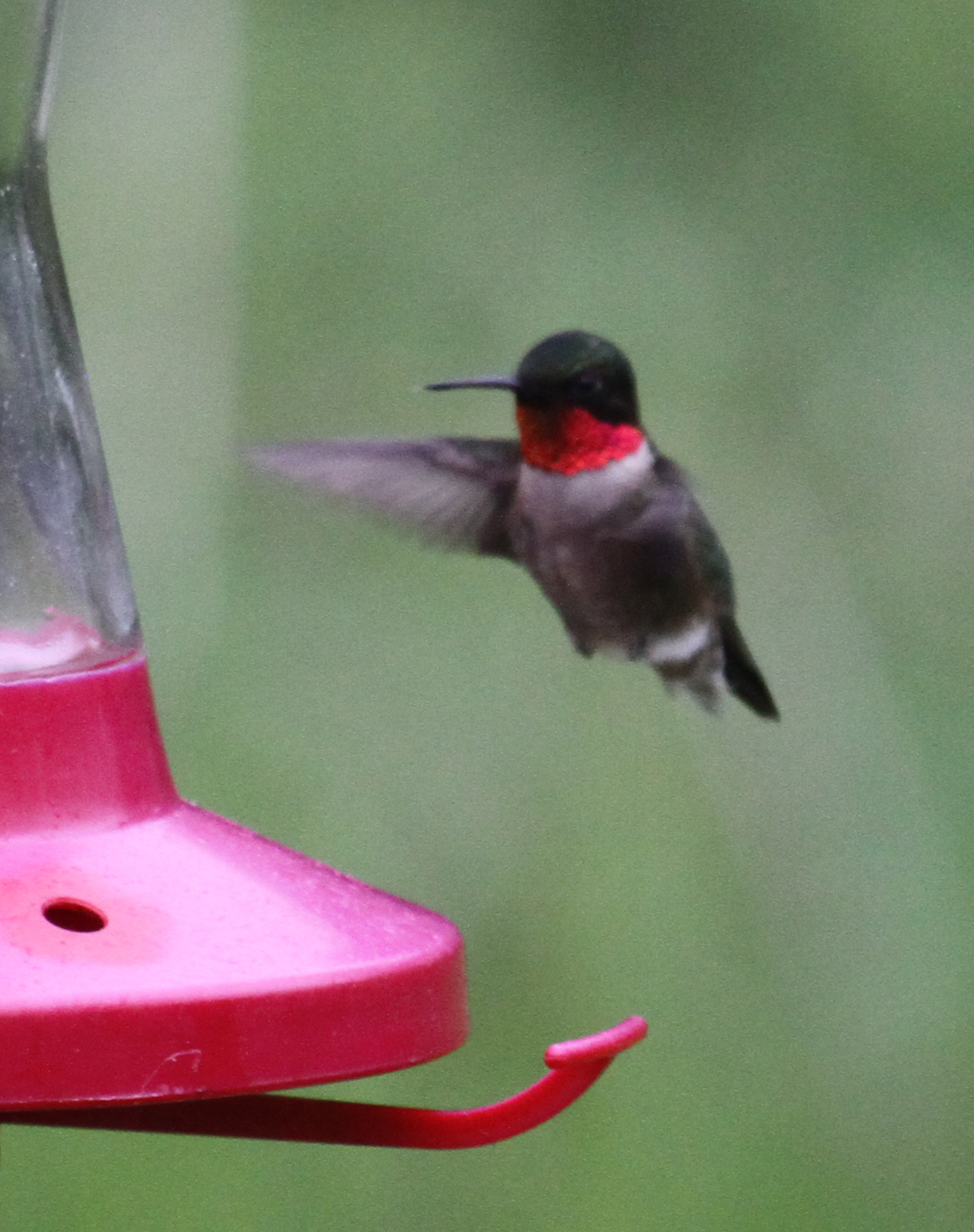
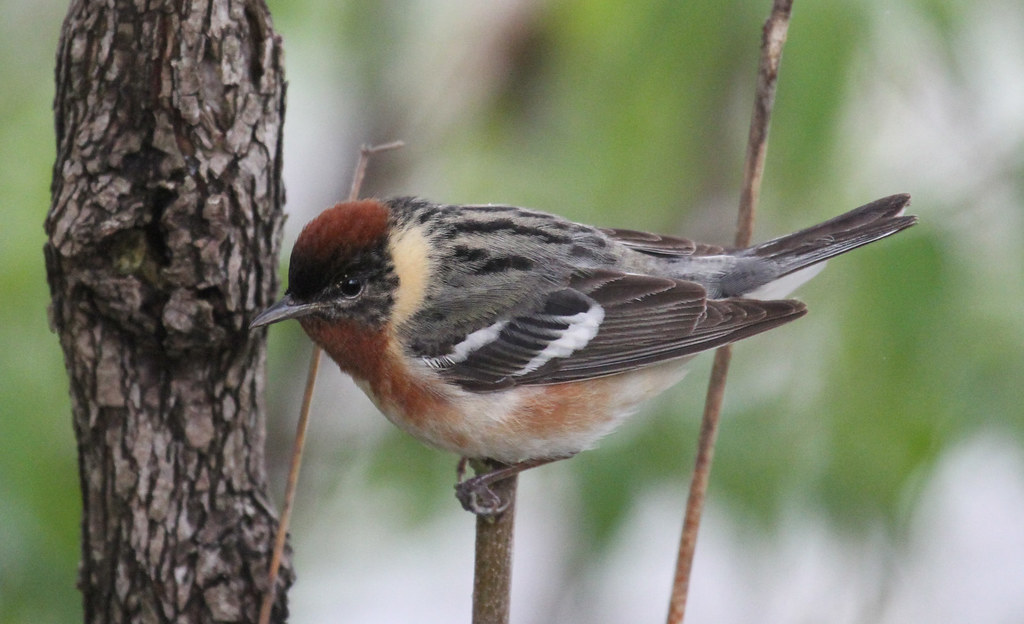
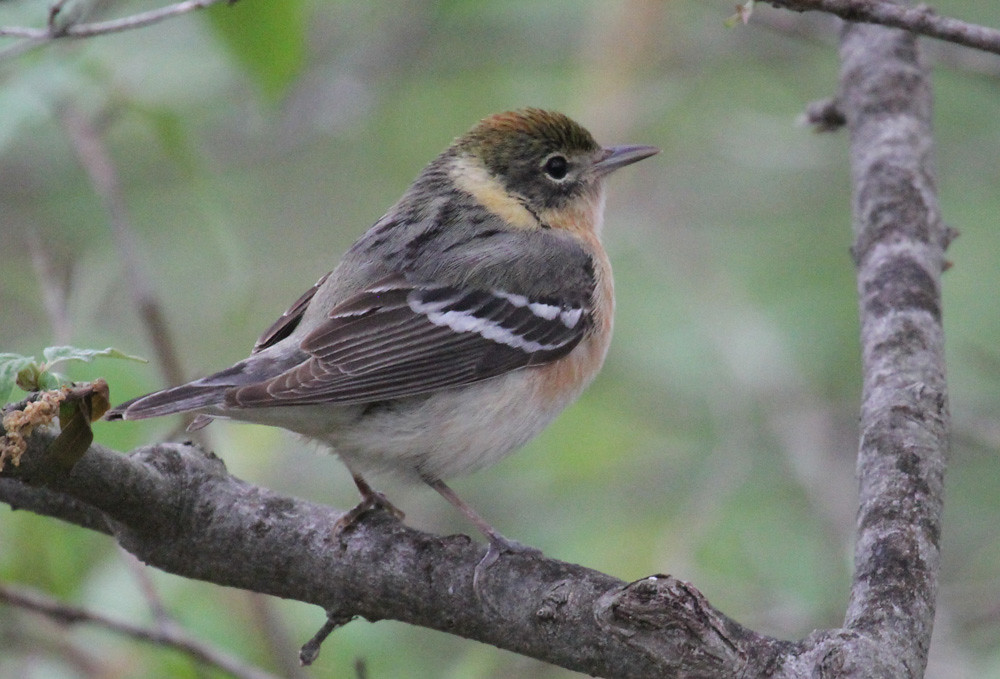
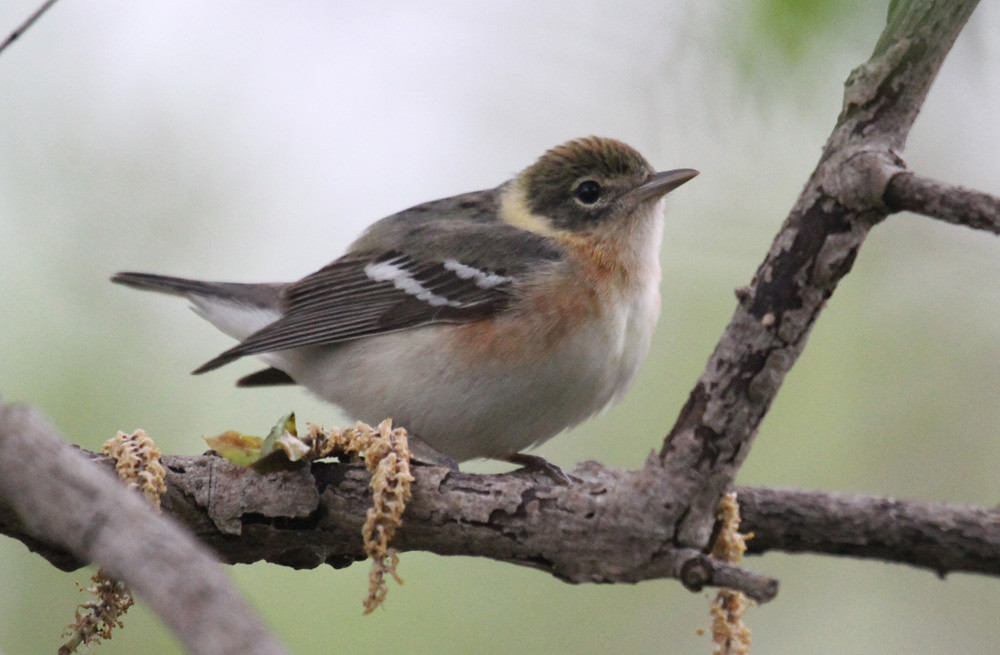
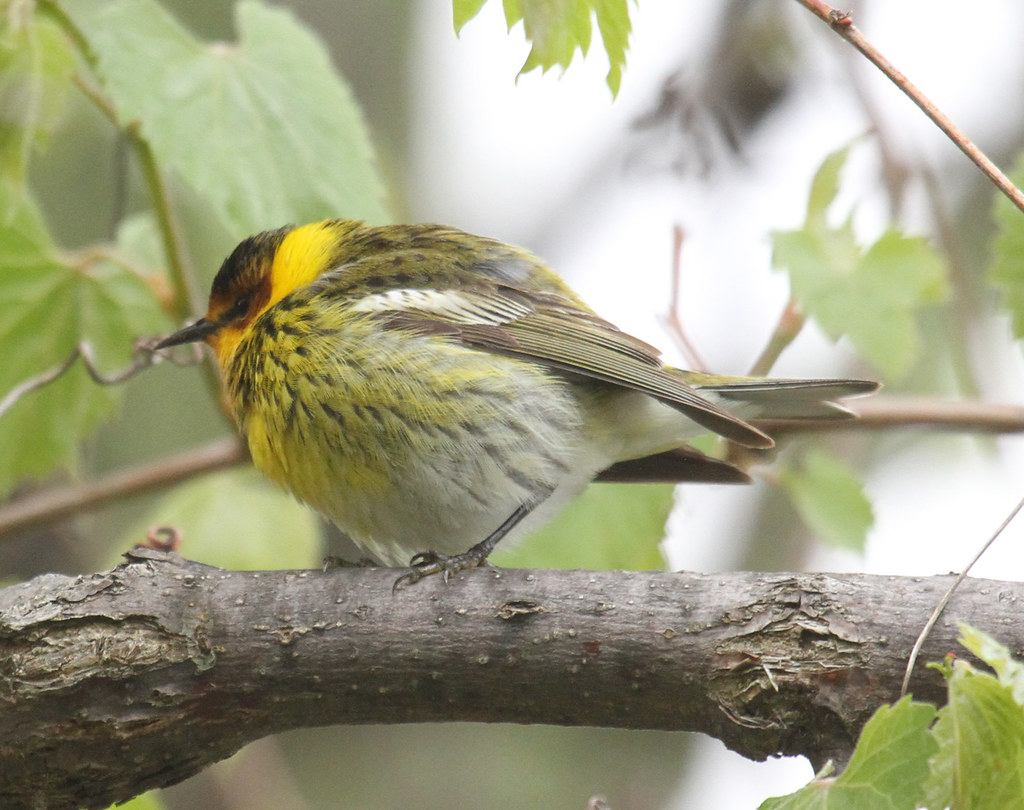
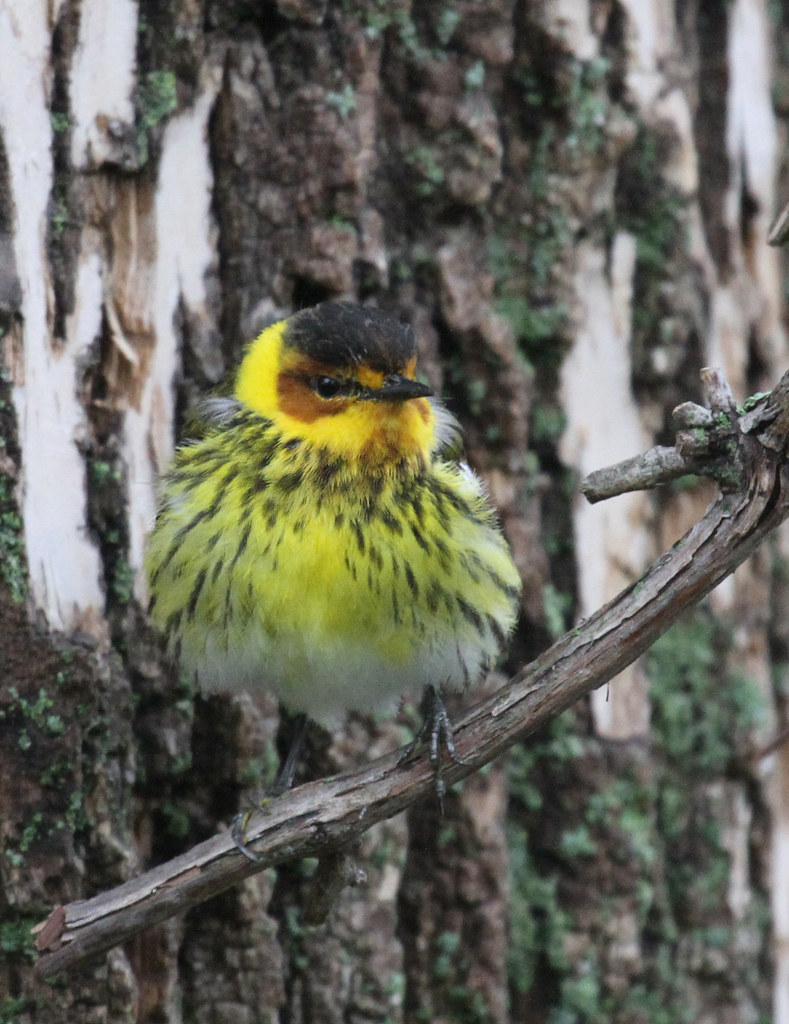
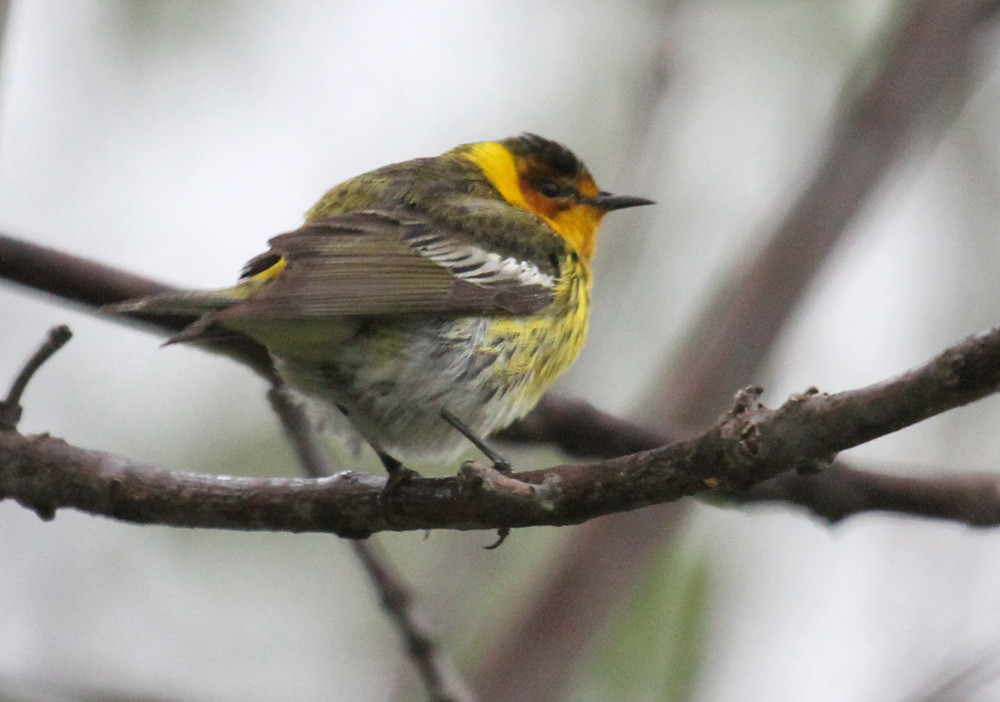
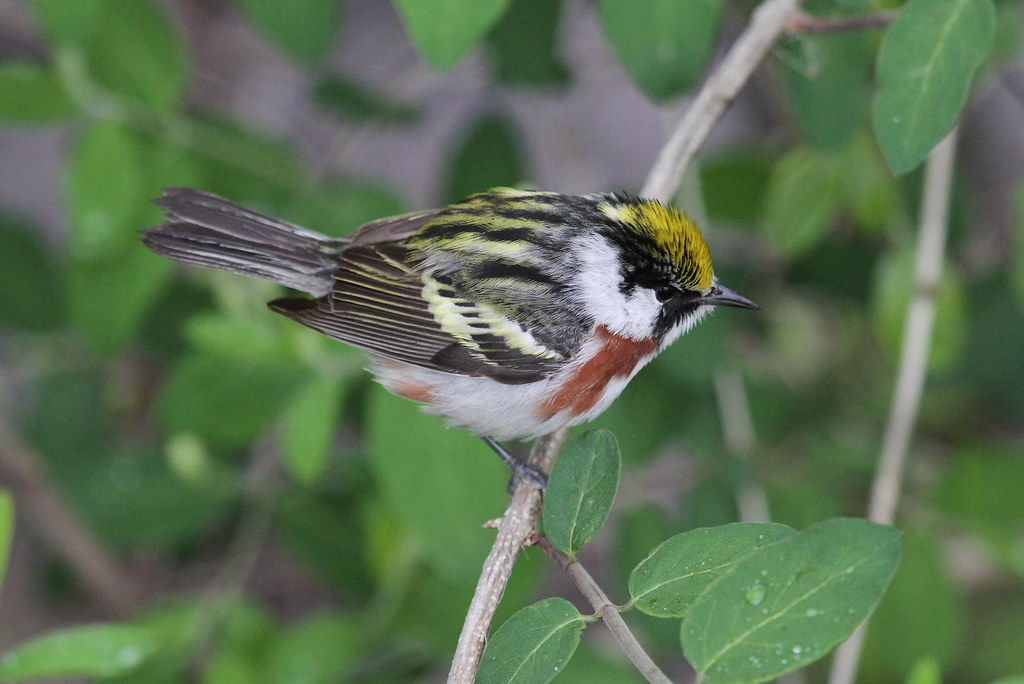
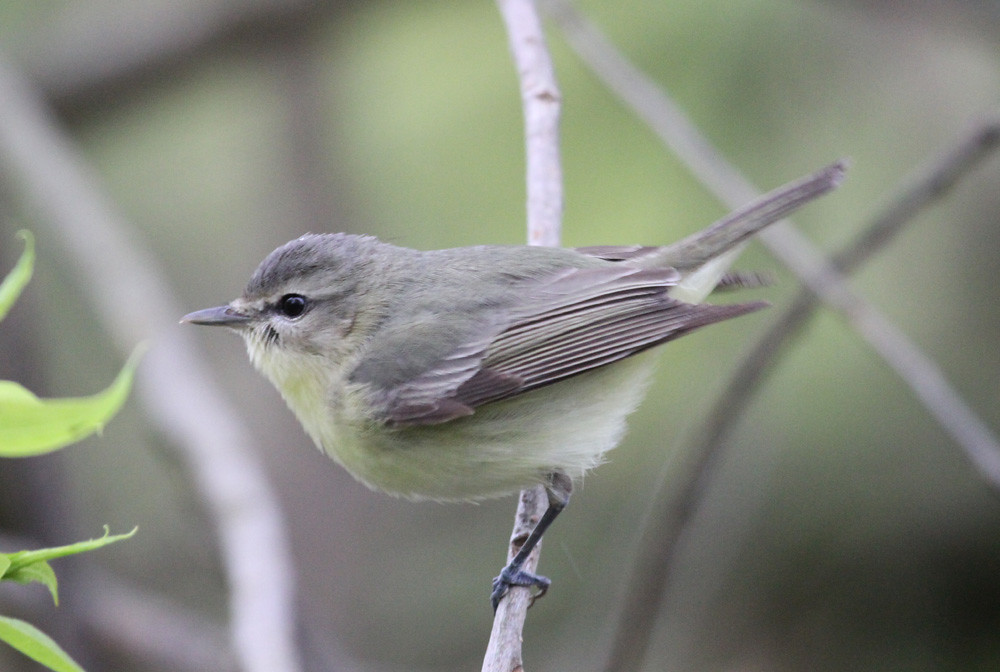
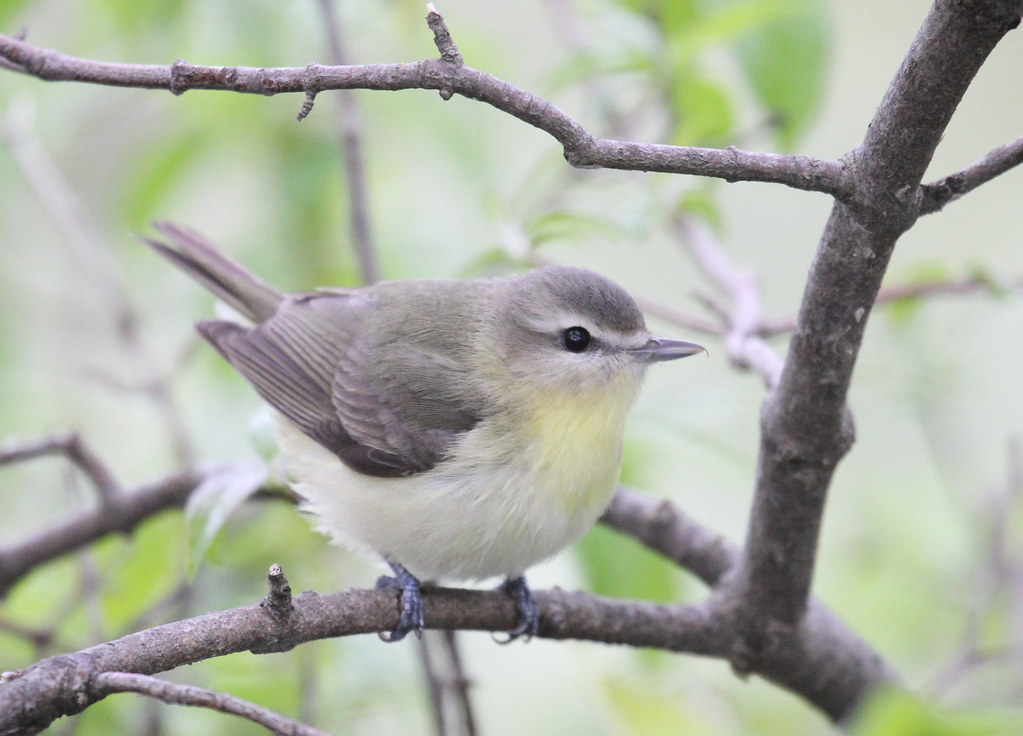
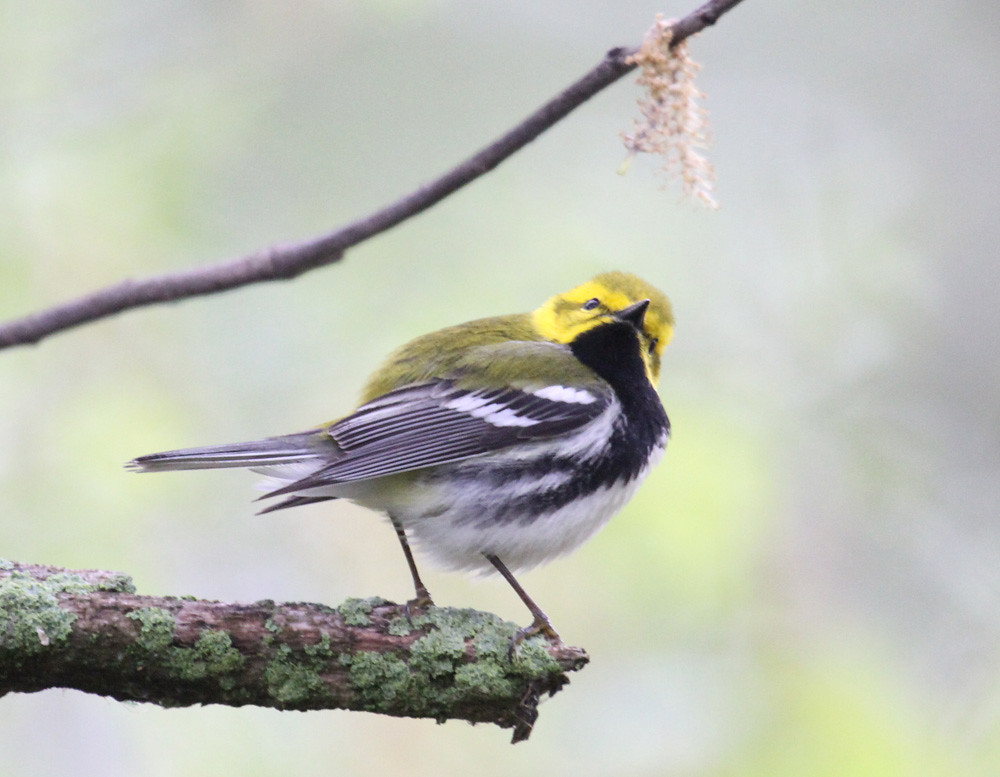
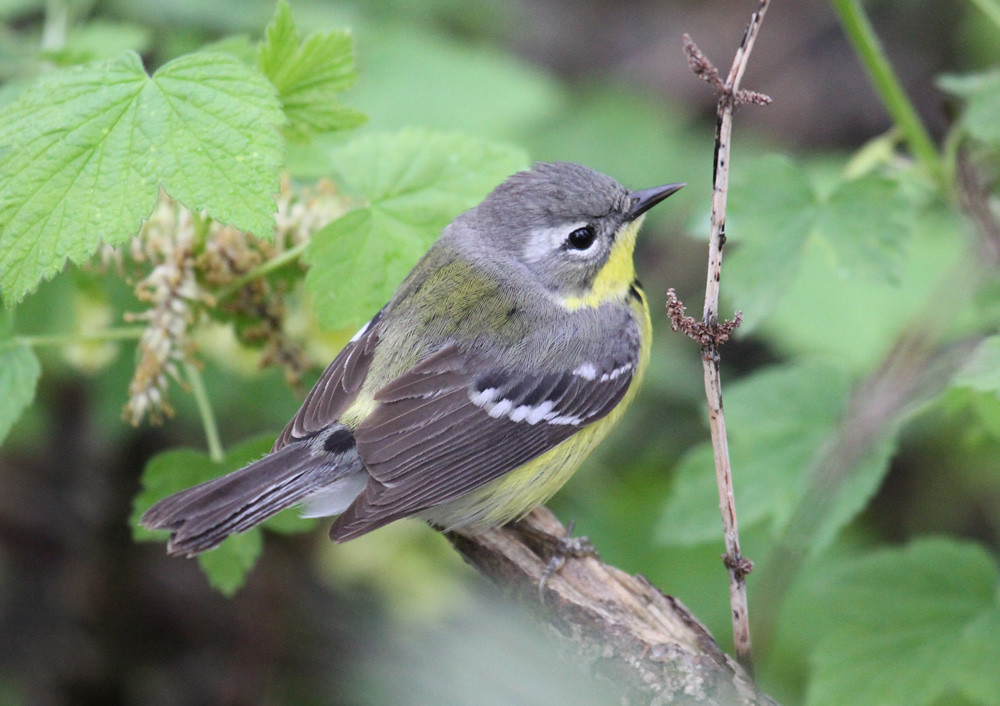
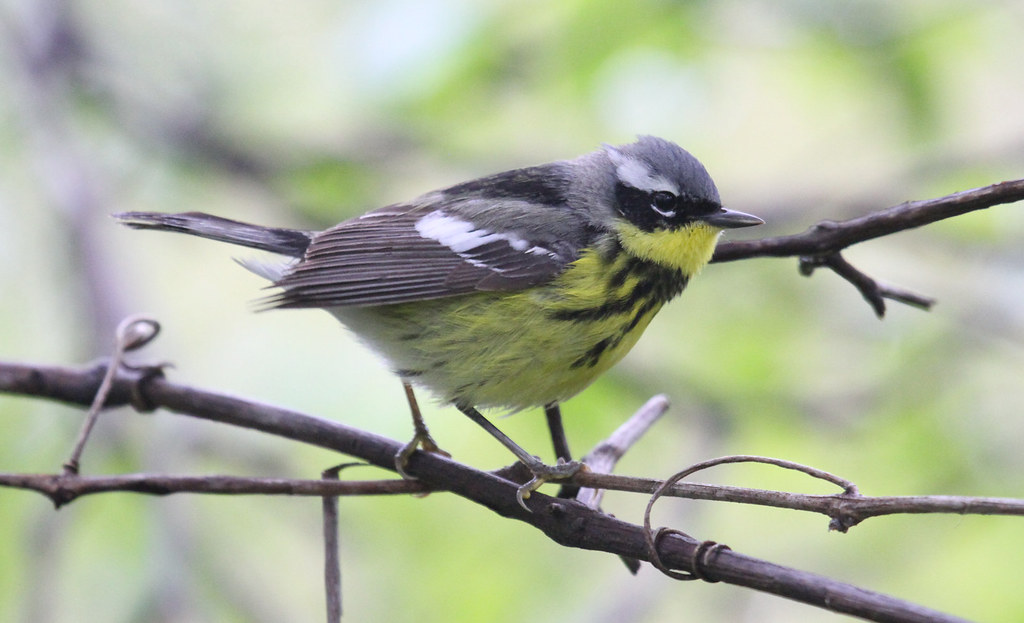
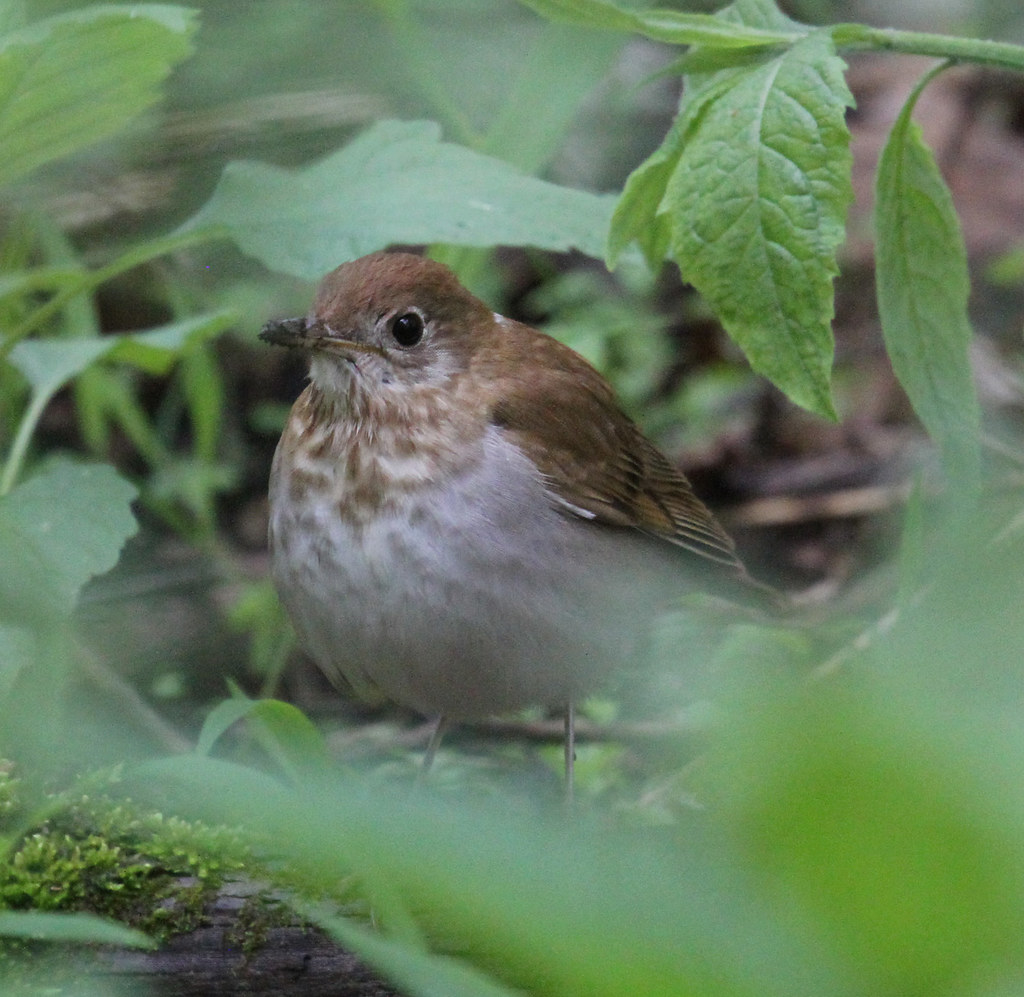
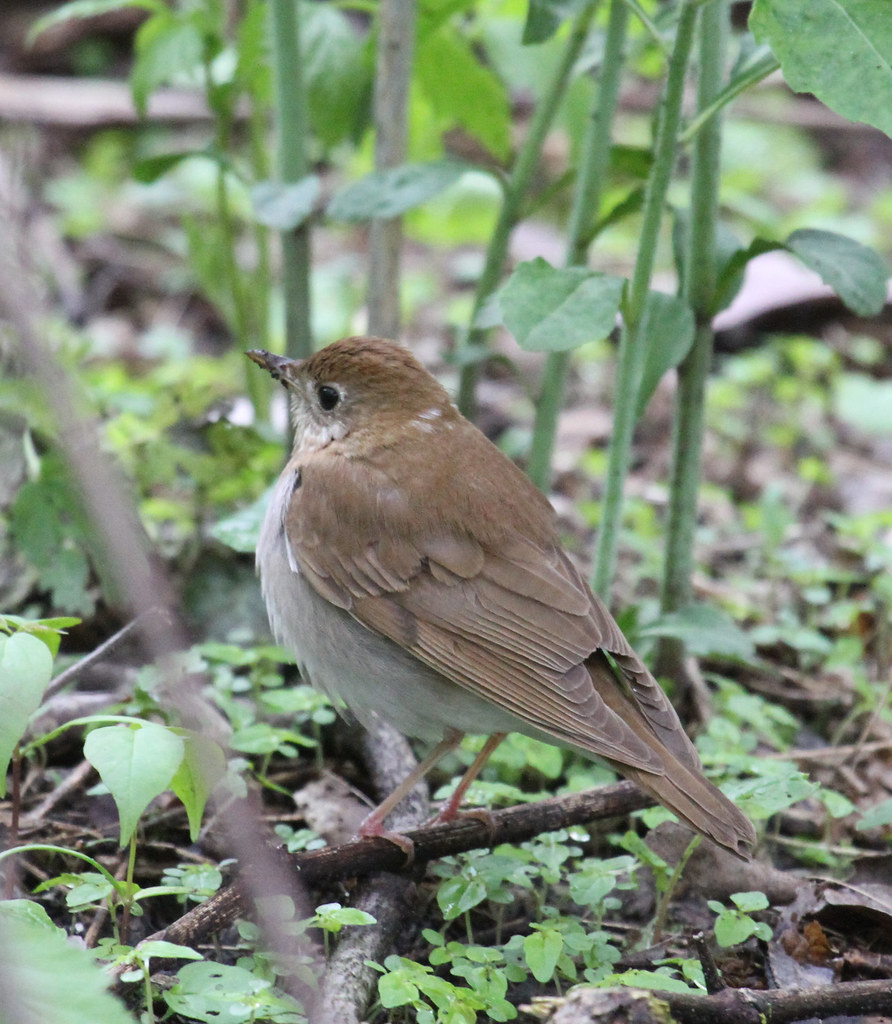
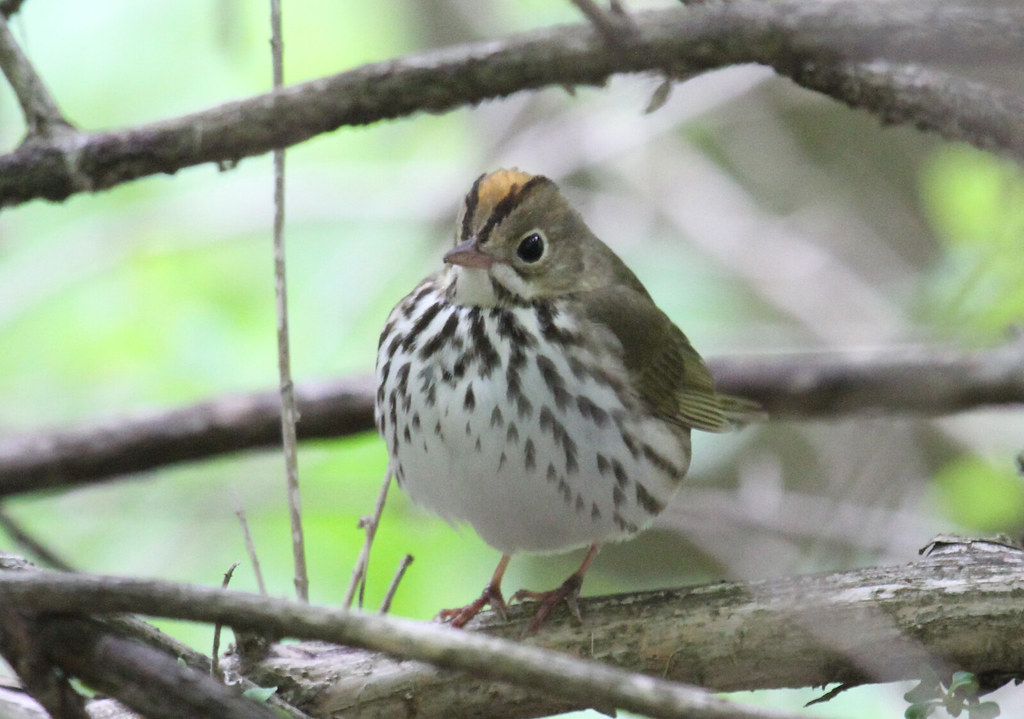
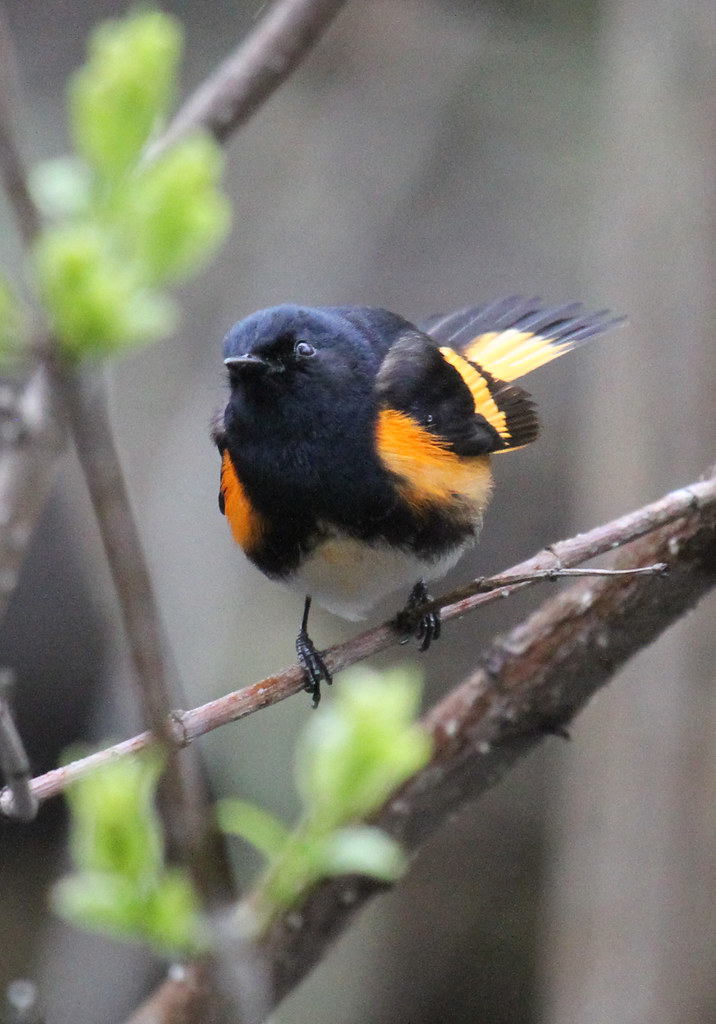
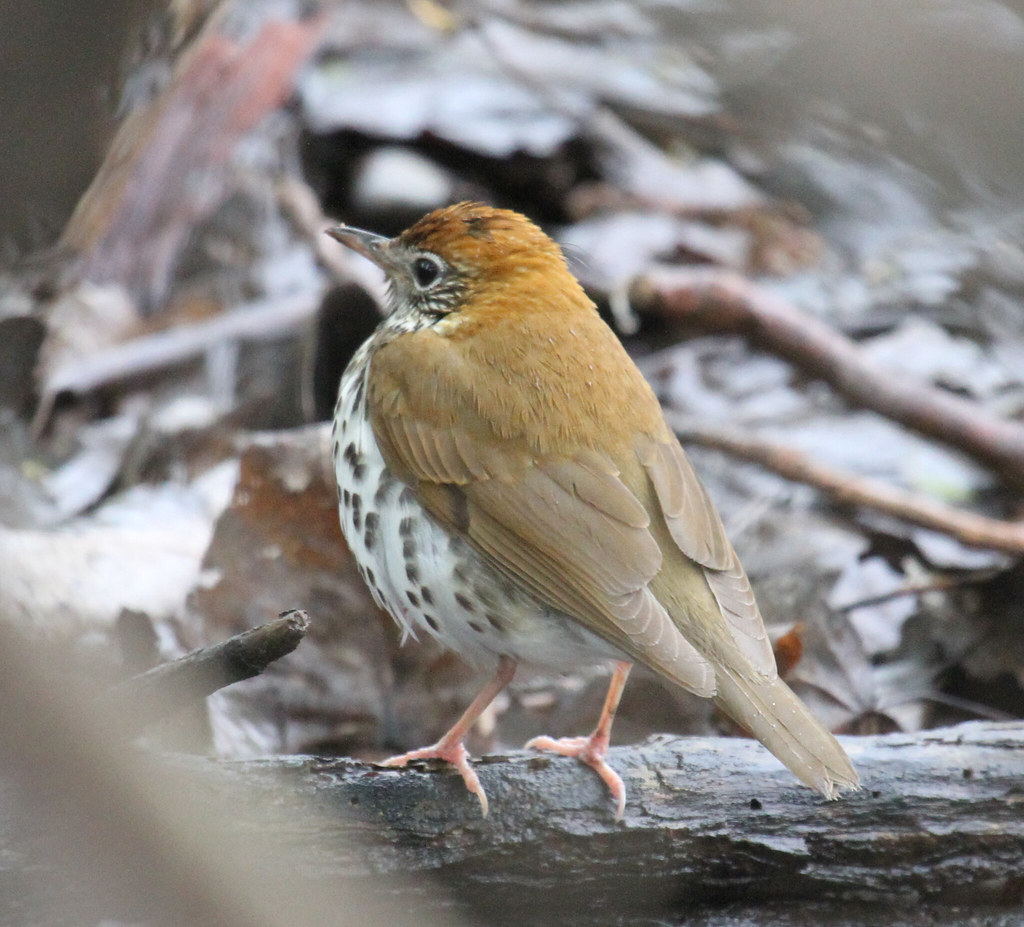
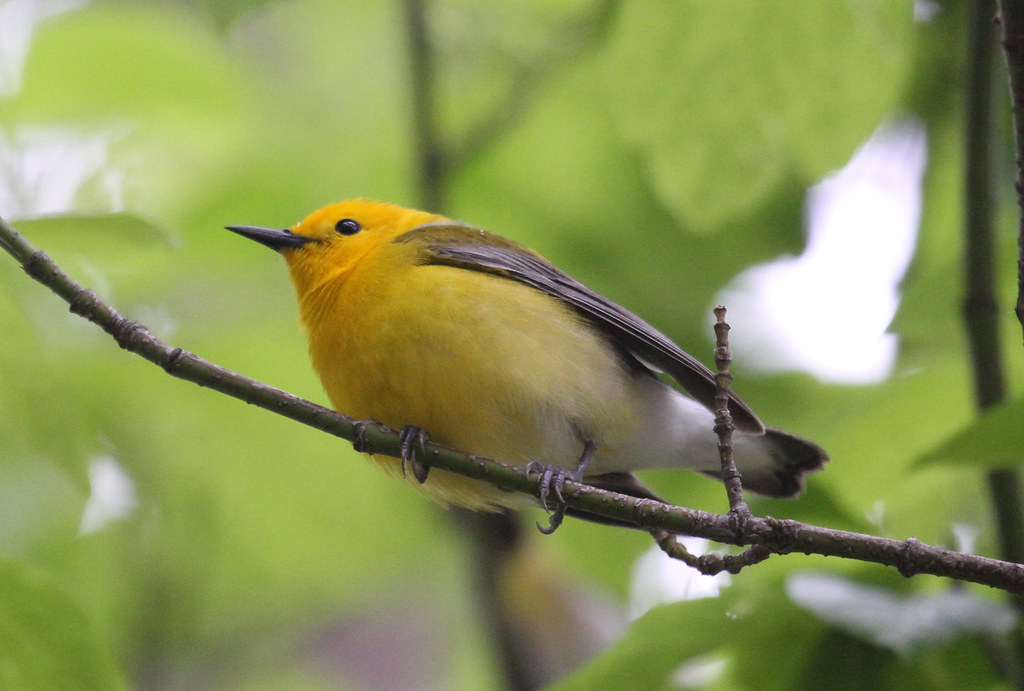
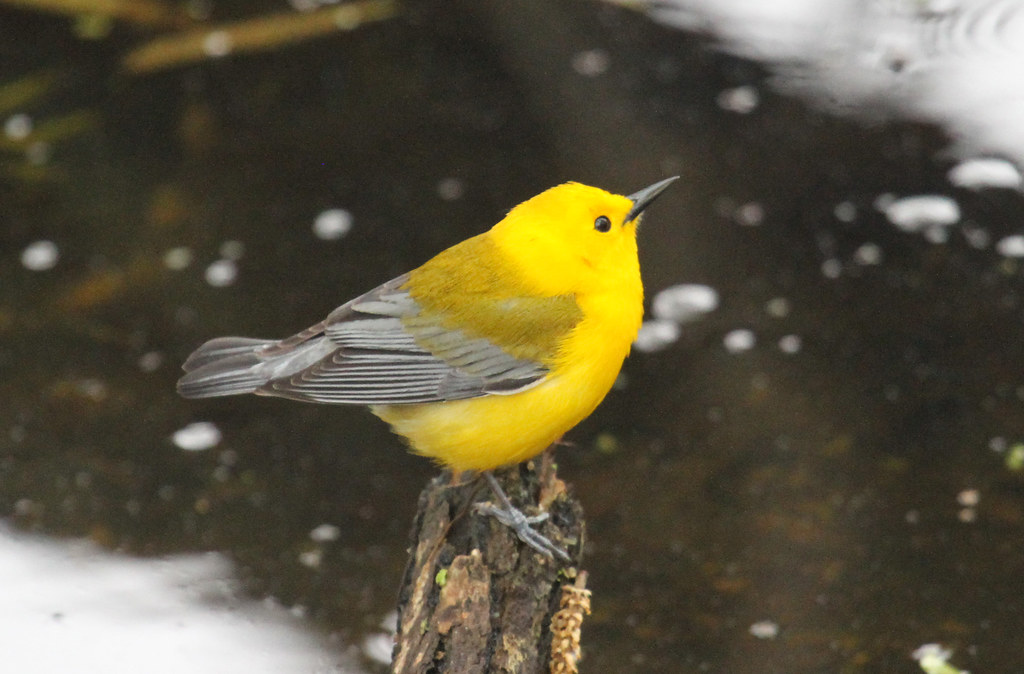
Carlsberg don't do Bird Reserves, but if they did, they'd probably still not be as good as Magee Marsh. I'm currently pretty tired and am not going to go on about how fantastic a place Magee is and how close the birds are. You can just have a look through the photos below and judge for yourself. 23 species of warbler, 3 vireos and 3 Catharus thrushes in a day and a half isn't bad though!
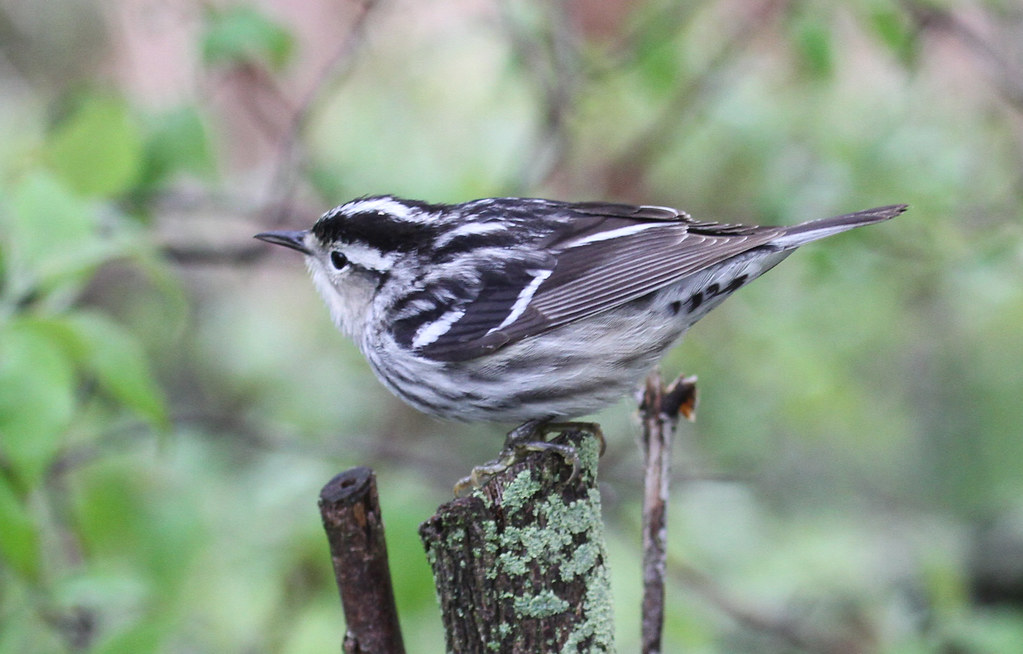
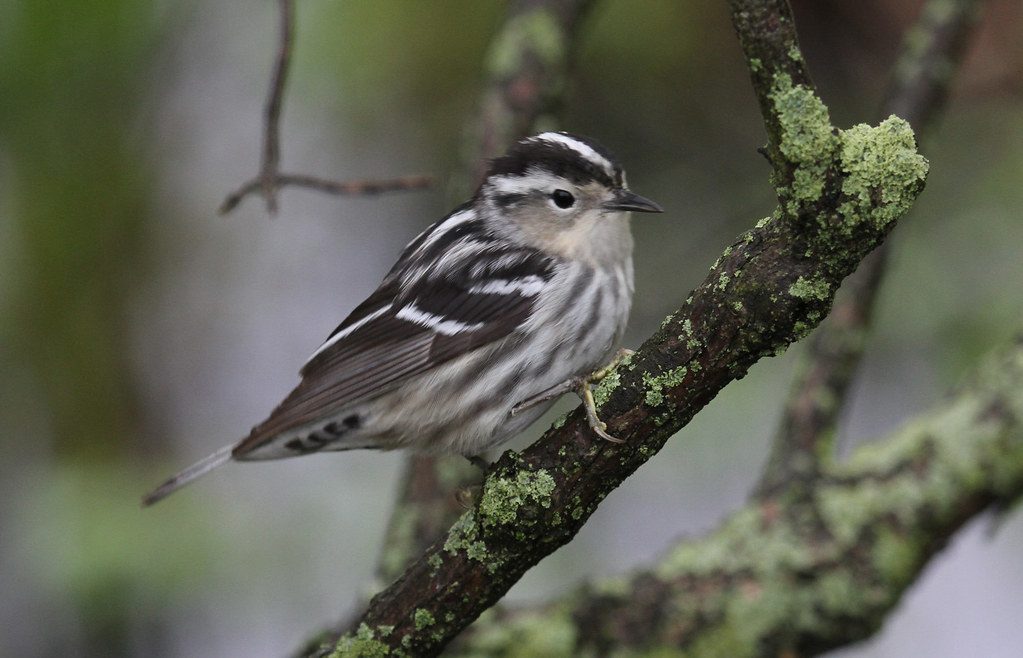
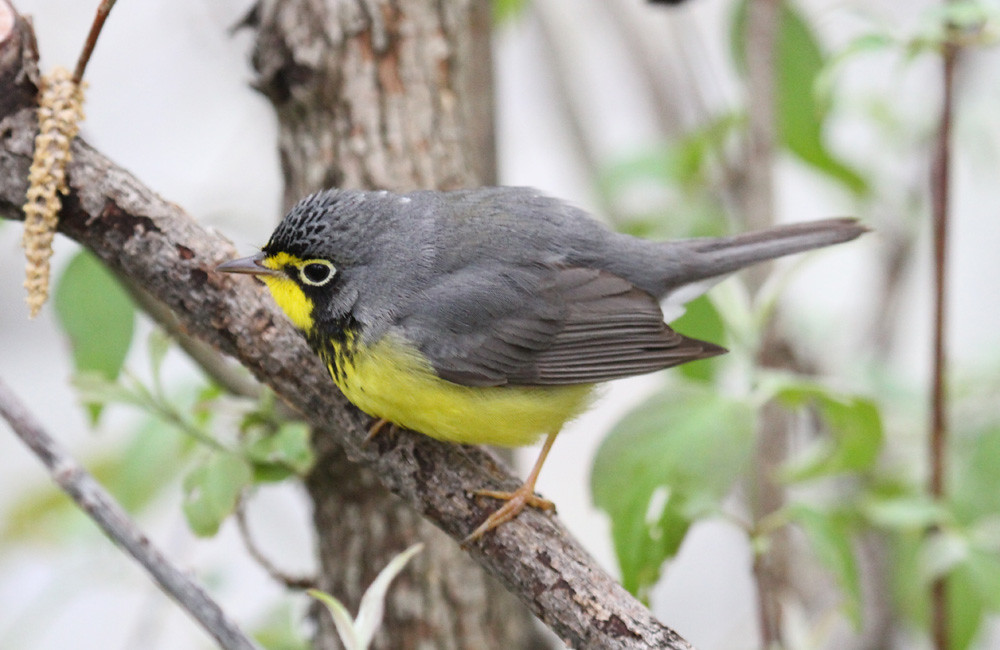
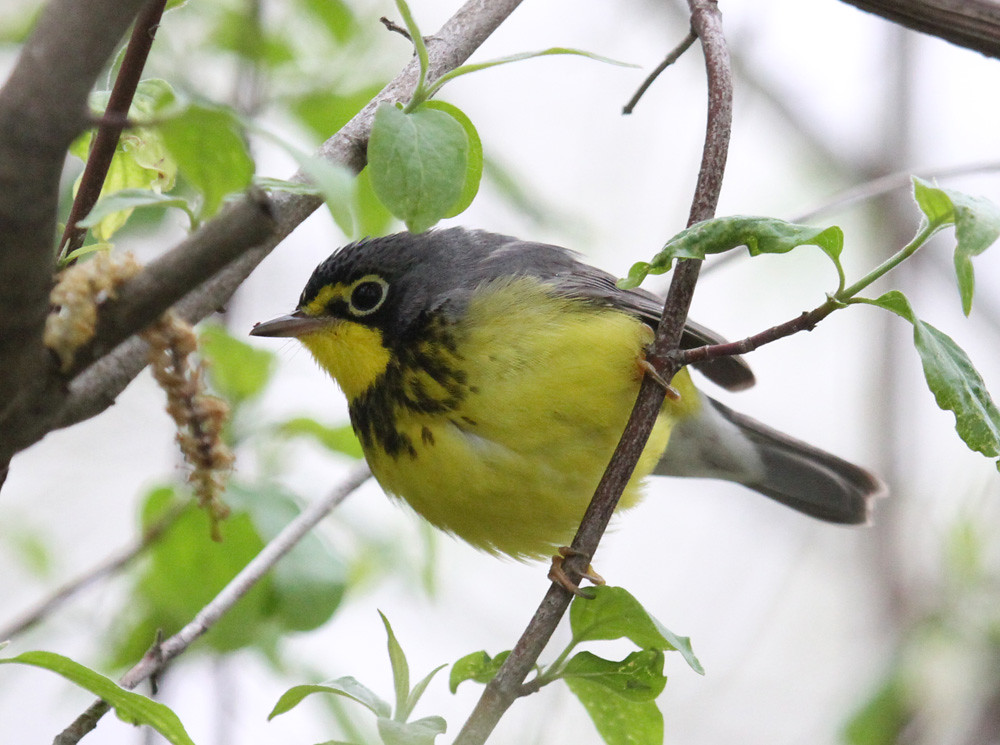
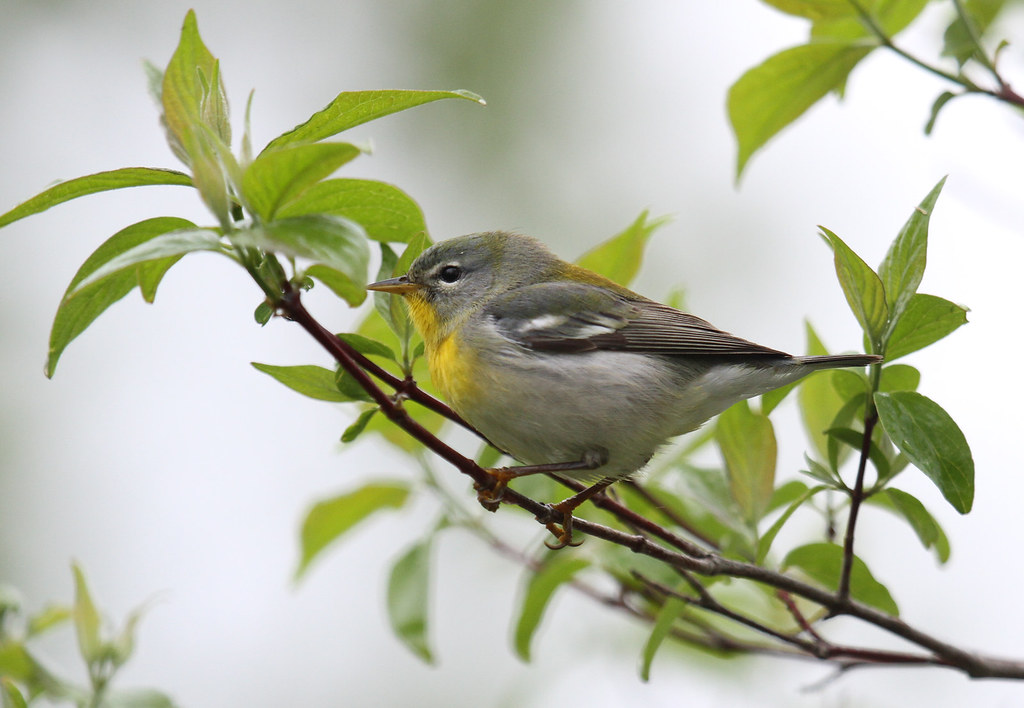
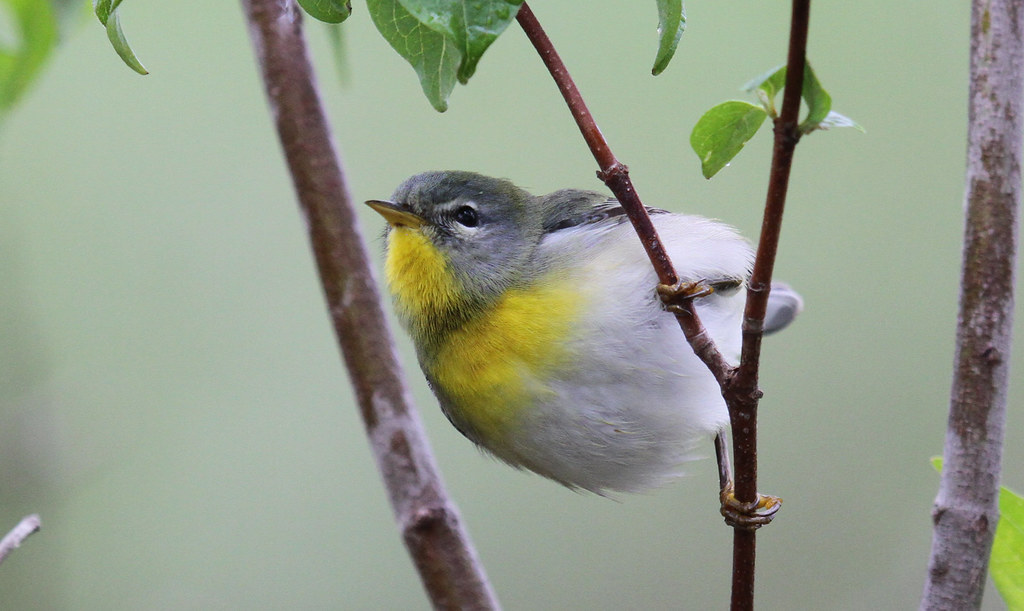
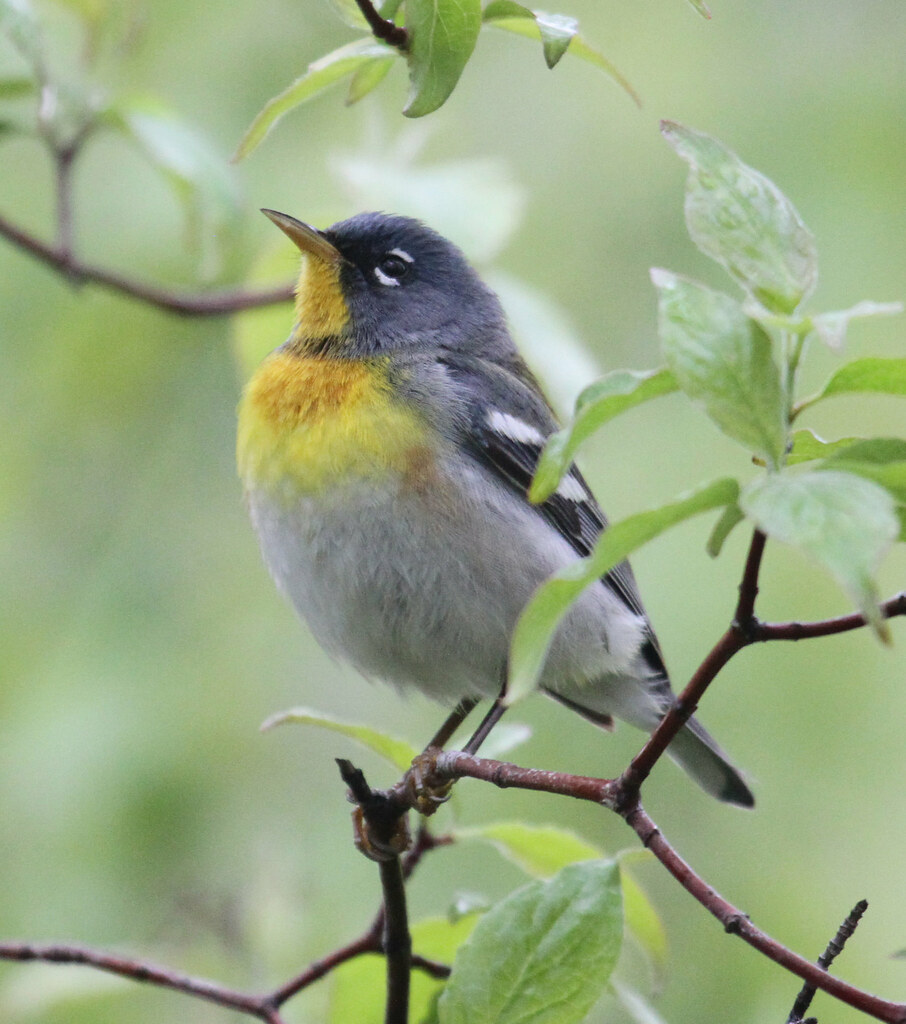
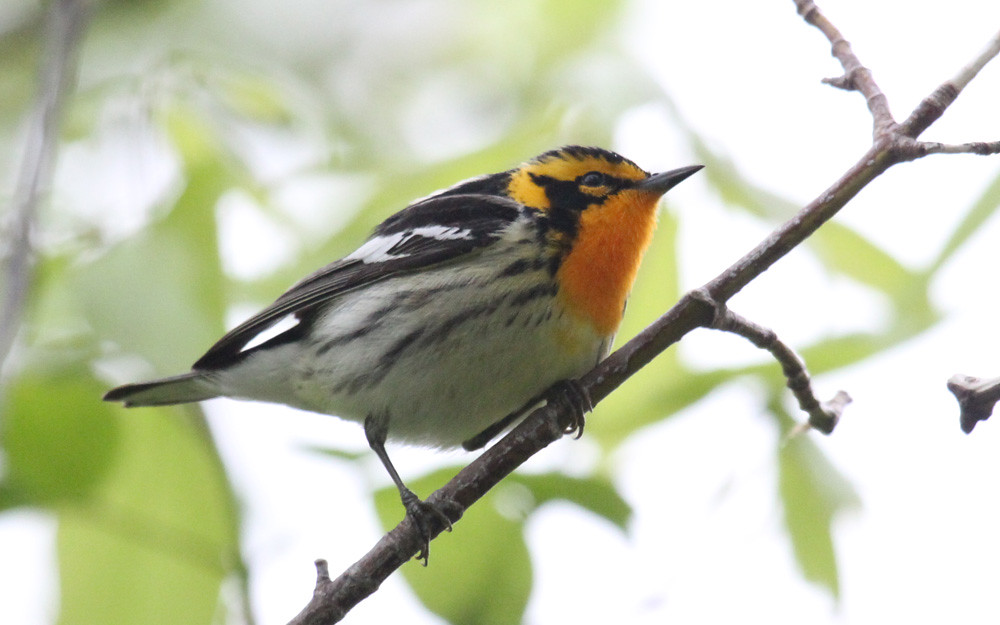
From top: Bay-breasted Warbler (3 males, 2 females), Cape May Warbler (3), Chestnut-sided Warbler (3), Black-and-White Warbler (2), Canada Warbler (3), Northern Parula (3), Philadelphia Vireo (2), Black-throated Green Warbler (2), Magnolia Warbler (1 female, 1 male), Veery (2), Ovenbird, American Redstart, Blackpoll Warbler (female), Wood Thrush, Prothonotory Warbler (2), Black-throated Blue Warbler (female) and Blackburnian Warbler.


Carlsberg don't do Bird Reserves, but if they did, they'd probably still not be as good as Magee Marsh. I'm currently pretty tired and am not going to go on about how fantastic a place Magee is and how close the birds are. You can just have a look through the photos below and judge for yourself. 23 species of warbler, 3 vireos and 3 Catharus thrushes in a day and a half isn't bad though!
From top: Bay-breasted Warbler (3 males, 2 females), Cape May Warbler (3), Chestnut-sided Warbler (3), Black-and-White Warbler (2), Canada Warbler (3), Northern Parula (3), Philadelphia Vireo (2), Black-throated Green Warbler (2), Magnolia Warbler (1 female, 1 male), Veery (2), Ovenbird, American Redstart, Blackpoll Warbler (female), Wood Thrush, Prothonotory Warbler (2), Black-throated Blue Warbler (female) and Blackburnian Warbler.


reade more... Résuméabuiyad