Pages

WHAT A PAIR OF PECTORALS!!

Pectoral Sandpiper (Calidris melanotos), two juveniles. Galisteo, Cáceres. 17.09.10 (Javier Prieta).

Two juvenile Pectoral Sandpipers (Calidris melanotos) were observed from 17 to 19 September on Galisteo lake, Cáceres. The first bird was discovered by Ricardo Montero on the morning of Friday 17. On the afternoon of the same day Ricardo himself, together with Sergio Mayordomo and Javier Prieta, found and photographed two birds, both seen again on Saturday 18 and Sunday 19 (César Clemente, Arian, Memole, José Ramón Martín). During these visits 12 different wader species were seen, together with Golden Eagles, Black Storks, up to 7 Spoonbills and several migrating passerines.

Pectoral Sandpiper (Calidris melanotos), juvenile. Galisteo, 17.09.10 (J. Prieta).

Pectoral Sandpiper (Calidris melanotos). Galisteo, Cáceres. 17.09.10 (J. Prieta). The two clear Vs on its back identify it as a juvenile.

The Pectoral Sandpiper is a rarity in Spain, although it is also the rare wader that turns up most often. By 2007 217 records involving 240 birds had been accepted (Díes at al. 2009). An unprecedented influx then occurred in autumn 2008, with 67 different birds recorded in Rare Birds in Spain. Another similar influx seems to have occurred in 2010, with at least 29 birds recorded in Spain from 2 to 17 September. It is therefore a species on the increase and on the point of forfeiting its rarity status.

Five records are known for Extremadura, two of them already accepted by the rarities committee:
1 - Los Canchales Reservoir (Badajoz), one juvenile, 14.09.02 (Francis Prieto).
2 - Valdesalor Reservoir (Cáceres), one juvenile, 05 and 06.09.06 (Sebastian Molano).
....... and another three pending acceptance from 2008 in Cáceres:
3 - Talaván Reservoir, one juvenile, 12.09.08 (S. Mayordomo).
4 - Casar de Cáceres Reservoir, one juvenile, 16.09.08 (Carlos Fernández).
5 - Valdesalor Reservoir, one juvenile, 14.10.08 (Carlos Fernández).
Pending publication of the 2008 and 2009 rarity reports, therefore, this will be the sixth regional record and the first one involving more than one bird. As with all the previous records, these are juvenile birds in post breeding dispersal, turning up on habitual dates (mid September).

The Pectoral Sandpiper breeds in the Arctic tundra of North America and Siberia, with an estimated population of several hundred thousand birds. It winters in Australia, South America and probably Africa. Most of the birds turning up in Europe have been traditionally considered to come basically from the North American Nearctic zone, though there is now thought to be a migratory route between Siberia and Africa, passing through Western Europe (De Juana, 2006; Gutiérrez, 2008). The theory has it that the Nearctic birds tend to move down the western part of the Peninsula and the Asiatic birds down the Mediterranean side. The Extremadura observations of 2008 and 2010 have coincided with increasing sightings in Mediterranean Spain, probably bound up with the arrival of Siberian birds, a population expanding westwards. It has even started to breed in Scotland very recently (RSPB).

References:
- De Juana, E. (2006). Las aves raras de España. Lynx Edicions. Barcelona.
- Dies, J. E. et al (2009). Observaciones de aves raras en España, 2007. Ardeola 56:309-344.
- Gutiérrez, R. (2008). Pectoral Sandpiper influx in Spain, autumn 2008 (July-15 September).
Pectoral Sandpiper (Calidris melanotos), two juveniles. Galisteo, Cáceres. 17.09.10 (Javier Prieta).

Two juvenile Pectoral Sandpipers (Calidris melanotos) were observed from 17 to 19 September on Galisteo lake, Cáceres. The first bird was discovered by Ricardo Montero on the morning of Friday 17. On the afternoon of the same day Ricardo himself, together with Sergio Mayordomo and Javier Prieta, found and photographed two birds, both seen again on Saturday 18 and Sunday 19 (César Clemente, Arian, Memole, José Ramón Martín). During these visits 12 different wader species were seen, together with Golden Eagles, Black Storks, up to 7 Spoonbills and several migrating passerines.

Pectoral Sandpiper (Calidris melanotos), juvenile. Galisteo, 17.09.10 (J. Prieta).

Pectoral Sandpiper (Calidris melanotos). Galisteo, Cáceres. 17.09.10 (J. Prieta). The two clear Vs on its back identify it as a juvenile.

The Pectoral Sandpiper is a rarity in Spain, although it is also the rare wader that turns up most often. By 2007 217 records involving 240 birds had been accepted (Díes at al. 2009). An unprecedented influx then occurred in autumn 2008, with 67 different birds recorded in Rare Birds in Spain. Another similar influx seems to have occurred in 2010, with at least 29 birds recorded in Spain from 2 to 17 September. It is therefore a species on the increase and on the point of forfeiting its rarity status.

Five records are known for Extremadura, two of them already accepted by the rarities committee:
1 - Los Canchales Reservoir (Badajoz), one juvenile, 14.09.02 (Francis Prieto).
2 - Valdesalor Reservoir (Cáceres), one juvenile, 05 and 06.09.06 (Sebastian Molano).
....... and another three pending acceptance from 2008 in Cáceres:
3 - Talaván Reservoir, one juvenile, 12.09.08 (S. Mayordomo).
4 - Casar de Cáceres Reservoir, one juvenile, 16.09.08 (Carlos Fernández).
5 - Valdesalor Reservoir, one juvenile, 14.10.08 (Carlos Fernández).
Pending publication of the 2008 and 2009 rarity reports, therefore, this will be the sixth regional record and the first one involving more than one bird. As with all the previous records, these are juvenile birds in post breeding dispersal, turning up on habitual dates (mid September).

The Pectoral Sandpiper breeds in the Arctic tundra of North America and Siberia, with an estimated population of several hundred thousand birds. It winters in Australia, South America and probably Africa. Most of the birds turning up in Europe have been traditionally considered to come basically from the North American Nearctic zone, though there is now thought to be a migratory route between Siberia and Africa, passing through Western Europe (De Juana, 2006; Gutiérrez, 2008). The theory has it that the Nearctic birds tend to move down the western part of the Peninsula and the Asiatic birds down the Mediterranean side. The Extremadura observations of 2008 and 2010 have coincided with increasing sightings in Mediterranean Spain, probably bound up with the arrival of Siberian birds, a population expanding westwards. It has even started to breed in Scotland very recently (RSPB).

References:
- De Juana, E. (2006). Las aves raras de España. Lynx Edicions. Barcelona.
- Dies, J. E. et al (2009). Observaciones de aves raras en España, 2007. Ardeola 56:309-344.
- Gutiérrez, R. (2008). Pectoral Sandpiper influx in Spain, autumn 2008 (July-15 September).
reade more... Résuméabuiyad

Siskins

A morning in the garden again to windy for ringing anywhere else. 
Nice selection of Siskin caught with juveniles and Adults 


Juvenile tail shape

Adult tail shape
98 new Siskin caught in and around garden since April
15 retraps as well

Other birds ringed, Robin, Chaffinch, Gt Tit, Blue Tit,Coal tit,  Dunnock

A morning in the garden again to windy for ringing anywhere else. 
Nice selection of Siskin caught with juveniles and Adults 


Juvenile tail shape

Adult tail shape
98 new Siskin caught in and around garden since April
15 retraps as well

Other birds ringed, Robin, Chaffinch, Gt Tit, Blue Tit,Coal tit,  Dunnock

reade more... Résuméabuiyad

Goldfinch Control

The weather has turned, the last 3 days have been gale-force winds, showers sunny spells. I managed to get the net open in the garden yesterday afternoon for 3 hours.

19 Birds caught

8 Siskin  7 new 1 retrap
(81 Siskin now ringed in and around garden}

2 Blue Tit
3 House Sparrow

1 Chaffinch

5 Goldfinch  4 new 1 control

I sent Kev the ring number of the control to see if it was one belonging to the group.
Kev came back with news of it being ringed on the Calf of Man by Chris Sharpe on the 15 April this year
movement of 26 miles north.

Nice one


click for bigger view
The weather has turned, the last 3 days have been gale-force winds, showers sunny spells. I managed to get the net open in the garden yesterday afternoon for 3 hours.

19 Birds caught

8 Siskin  7 new 1 retrap
(81 Siskin now ringed in and around garden}

2 Blue Tit
3 House Sparrow

1 Chaffinch

5 Goldfinch  4 new 1 control

I sent Kev the ring number of the control to see if it was one belonging to the group.
Kev came back with news of it being ringed on the Calf of Man by Chris Sharpe on the 15 April this year
movement of 26 miles north.

Nice one


click for bigger view
reade more... Résuméabuiyad

STARLINGS AND THE “MEDIA VEDA”

Spotless Starling (Sturnus unicolor), juvenile, Galisteo, 20.10.04 (Javier Prieta).

The “media veda” is a late-summer partially open season allowing the hunting of a restricted list of species. In Extremadura, in 2010, it ran from 21 August to 12 September, taking in Saturdays, Sundays and public holidays. The hunting species listed in the “orden de vedas” (the order laying down hunting rules and species) were European Turtle Dove, Common Starling, Magpie, Eurasian Jackdaw, Mallard, Fox and a species vaguely identifed as “palomas” (doves/pigeons). We discuss below whether there is any valid scientific justification for declaring these species to be huntable during this period, drawing the conclusion that it is based on little more than a dash of tradition and a large dose of ignorance. Of the eight species considered, one is not even present in Extremadura, another may be present but in negligible numbers, another is threatened, another is in decline, another is of largely unknown status and only three have healthy populations. In two cases, moreover (Common Starling and Mallard), identification difficulties bring nongame species into the trawl, with Spotless Starling and other duck species besides Mallard being killed by mistake.

- Common Starling (Sturnus vulgaris). This species does not breed in Extremadura and wintering birds usually begin to arrive in mid October; the earliest recorded arrival is 29 September. It would therefore seem absurd to authorise the hunting of a bird that is not even present in the region, with the added chagrin of Spotless Starlings being killed by mistake. Although this latter bird is called “spotless” in English, its plumage does have a scattering of spots after the summer moult, especially in juveniles (see photo above). Telling the two species apart can be very tricky in autumn even for experienced birdwatchers with good optical equipment, so hunters are very unlikely to be up to the job. In fact, one of the very few mistakes in the magnum opus Handbook of the Birds of the World could well be the photograph of a starling on page 690 of volume 14. Ostensibly a Common Starling photographed in Alicante, it is likely in fact to be a Spotless Starling (though it would be interesting to know the date of the photo).

- European Turtle Dove (Streptopelia turtur). This is a threatened species in Spain, listed as “Vulnerable” in the “Libro Rojo” (Red Book). It is a scarce breeder in Extremadura, this region accounting for only 2.7% of the Spanish population. The birds hunted in autumn are above all migrants, but in Europe as a whole the species suffered a significant decline of 69% from 1980 to 2008.

- The vague mention of “Palomas” (doves/pigeons) in the “orden de vedas” reflects its lack of scientific rigour. In default of any more reliable information we have no choice but to assume that the three Extremadura species of pigeons and doves are all legal prey.
- Rock Dove (Columba livia). Almost all Rock Doves in Extremadura are feral with hardly any genuinely wild birds.
- Wood Pigeon (Columba palumbus). In the timeframe under consideration the European migrants have not yet arrived in the region, so only resident birds are being hunted. The Extremadura breeding population is estimated at 380,000 birds with a stable trend in the centre of Spain as a whole.
- Stock Dove (Columba oenas). Once again, European migrants have not yet arrived in the period under consideration so only resident birds are being hunted. Nonetheless, hardly anything is known about the status of this species in Extremadura, where it is a very scarce bird throughout almost the whole region, with about one thousand birds at most. In fact, in the eleven year recording period (1998-2008) of the Extremadura Ornithological Yearbook, there has never been a confirmed breeding record of Stock Dove in the region.

- Magpie (Pica pica). This is a common species (300,000 birds in Extremadura) with an upward trend in central Spain.

- Eurasian Jackdaw (Corvus monedula). A common species (500,000 birds in Extremadura), albeit with a downward trend in central Spain (-4% a year).

- Mallard (Anas plathyrhynchos). European migrants have not yet arrived in the period under consideration so only resident birds are being hunted. Nonetheless, nothing is known about the population or number of breeding birds in Extremadura, although their status is apparently quite good. The biggest problem is that hunters use the inclusion of this bird as a pretext for hunting other duck species in the same area or even other water birds that bear precious little resemblance to a duck.

During this period of “media veda” members of SEO-Cáceres witnessed many hunters breaching the rules. This rule flouting is particularly rife in wetlands, with illegal species being killed and stalking being used instead of the established method of stand-hunting. Many examples of these irregular practices could be cited. For example a group of foreign tourists visited a lake where young local hunters were “kind” enough to wait for them to finish their observations before slaying the wildlife on the lake. Moreover this lake had no Mallards so they were hunting illegal species. This is just the sort of example we need to encourage birdwatching-tourism in the region, I’m sure you’ll agree. After this lamentable incident SEO-Cáceres contacted the owner of the lake to see if hunting could be banned there. The owner was receptive to the idea because the hunters pestered his livestock and damaged the farm in other ways, but he didn’t dare do so for fear of retaliation. “I know them well and they would burn down my farm”, was his reply. Another massacre occurred on another lake in the province, where dozens of ducks of various species lay floating on the water, slain illegally and to absolutely no purpose because the hunters didn’t have retrievers to collect them. Another birdwatcher had to flee a lake in haste when “overwrought” hunters levelled their guns at him as he tried to identify the species they were hunting with his telescope. Outrageously, the slaughter included Pochard, a duck with only 25-50 pairs in Extremadura (fewer than Imperial Eagles!). In sum: harrowing!

The abovementioned figures have been culled from the work in progress "Aves de Extremadura. Vol. 4", in turn drawing from the following SEO surveys (SACRE, Aves comunes, Libro Rojo).
Spotless Starling (Sturnus unicolor), juvenile, Galisteo, 20.10.04 (Javier Prieta).

The “media veda” is a late-summer partially open season allowing the hunting of a restricted list of species. In Extremadura, in 2010, it ran from 21 August to 12 September, taking in Saturdays, Sundays and public holidays. The hunting species listed in the “orden de vedas” (the order laying down hunting rules and species) were European Turtle Dove, Common Starling, Magpie, Eurasian Jackdaw, Mallard, Fox and a species vaguely identifed as “palomas” (doves/pigeons). We discuss below whether there is any valid scientific justification for declaring these species to be huntable during this period, drawing the conclusion that it is based on little more than a dash of tradition and a large dose of ignorance. Of the eight species considered, one is not even present in Extremadura, another may be present but in negligible numbers, another is threatened, another is in decline, another is of largely unknown status and only three have healthy populations. In two cases, moreover (Common Starling and Mallard), identification difficulties bring nongame species into the trawl, with Spotless Starling and other duck species besides Mallard being killed by mistake.

- Common Starling (Sturnus vulgaris). This species does not breed in Extremadura and wintering birds usually begin to arrive in mid October; the earliest recorded arrival is 29 September. It would therefore seem absurd to authorise the hunting of a bird that is not even present in the region, with the added chagrin of Spotless Starlings being killed by mistake. Although this latter bird is called “spotless” in English, its plumage does have a scattering of spots after the summer moult, especially in juveniles (see photo above). Telling the two species apart can be very tricky in autumn even for experienced birdwatchers with good optical equipment, so hunters are very unlikely to be up to the job. In fact, one of the very few mistakes in the magnum opus Handbook of the Birds of the World could well be the photograph of a starling on page 690 of volume 14. Ostensibly a Common Starling photographed in Alicante, it is likely in fact to be a Spotless Starling (though it would be interesting to know the date of the photo).

- European Turtle Dove (Streptopelia turtur). This is a threatened species in Spain, listed as “Vulnerable” in the “Libro Rojo” (Red Book). It is a scarce breeder in Extremadura, this region accounting for only 2.7% of the Spanish population. The birds hunted in autumn are above all migrants, but in Europe as a whole the species suffered a significant decline of 69% from 1980 to 2008.

- The vague mention of “Palomas” (doves/pigeons) in the “orden de vedas” reflects its lack of scientific rigour. In default of any more reliable information we have no choice but to assume that the three Extremadura species of pigeons and doves are all legal prey.
- Rock Dove (Columba livia). Almost all Rock Doves in Extremadura are feral with hardly any genuinely wild birds.
- Wood Pigeon (Columba palumbus). In the timeframe under consideration the European migrants have not yet arrived in the region, so only resident birds are being hunted. The Extremadura breeding population is estimated at 380,000 birds with a stable trend in the centre of Spain as a whole.
- Stock Dove (Columba oenas). Once again, European migrants have not yet arrived in the period under consideration so only resident birds are being hunted. Nonetheless, hardly anything is known about the status of this species in Extremadura, where it is a very scarce bird throughout almost the whole region, with about one thousand birds at most. In fact, in the eleven year recording period (1998-2008) of the Extremadura Ornithological Yearbook, there has never been a confirmed breeding record of Stock Dove in the region.

- Magpie (Pica pica). This is a common species (300,000 birds in Extremadura) with an upward trend in central Spain.

- Eurasian Jackdaw (Corvus monedula). A common species (500,000 birds in Extremadura), albeit with a downward trend in central Spain (-4% a year).

- Mallard (Anas plathyrhynchos). European migrants have not yet arrived in the period under consideration so only resident birds are being hunted. Nonetheless, nothing is known about the population or number of breeding birds in Extremadura, although their status is apparently quite good. The biggest problem is that hunters use the inclusion of this bird as a pretext for hunting other duck species in the same area or even other water birds that bear precious little resemblance to a duck.

During this period of “media veda” members of SEO-Cáceres witnessed many hunters breaching the rules. This rule flouting is particularly rife in wetlands, with illegal species being killed and stalking being used instead of the established method of stand-hunting. Many examples of these irregular practices could be cited. For example a group of foreign tourists visited a lake where young local hunters were “kind” enough to wait for them to finish their observations before slaying the wildlife on the lake. Moreover this lake had no Mallards so they were hunting illegal species. This is just the sort of example we need to encourage birdwatching-tourism in the region, I’m sure you’ll agree. After this lamentable incident SEO-Cáceres contacted the owner of the lake to see if hunting could be banned there. The owner was receptive to the idea because the hunters pestered his livestock and damaged the farm in other ways, but he didn’t dare do so for fear of retaliation. “I know them well and they would burn down my farm”, was his reply. Another massacre occurred on another lake in the province, where dozens of ducks of various species lay floating on the water, slain illegally and to absolutely no purpose because the hunters didn’t have retrievers to collect them. Another birdwatcher had to flee a lake in haste when “overwrought” hunters levelled their guns at him as he tried to identify the species they were hunting with his telescope. Outrageously, the slaughter included Pochard, a duck with only 25-50 pairs in Extremadura (fewer than Imperial Eagles!). In sum: harrowing!

The abovementioned figures have been culled from the work in progress "Aves de Extremadura. Vol. 4", in turn drawing from the following SEO surveys (SACRE, Aves comunes, Libro Rojo).
reade more... Résuméabuiyad

11 Sep 2010 - Holme

Headed up to Holme NOA today in the hope of seeing the Arctic Warbler which was caught and ringed on Monday, but had been a real nut to crack for the rest of the week, only showing once or twice a day. I arrived at 7.30 and spent the first 90 minutes trying to get to grips with the tit flock in the NWT car park, but the bird departed so I joined the small throng of birders in the pines, where after chasing around for 5 minutes I finally saw the bird low down in a pine tree. The Arctic Warbler remained very difficult to see, spending all of its time near the top of pines and never showing for more than 10 seconds.

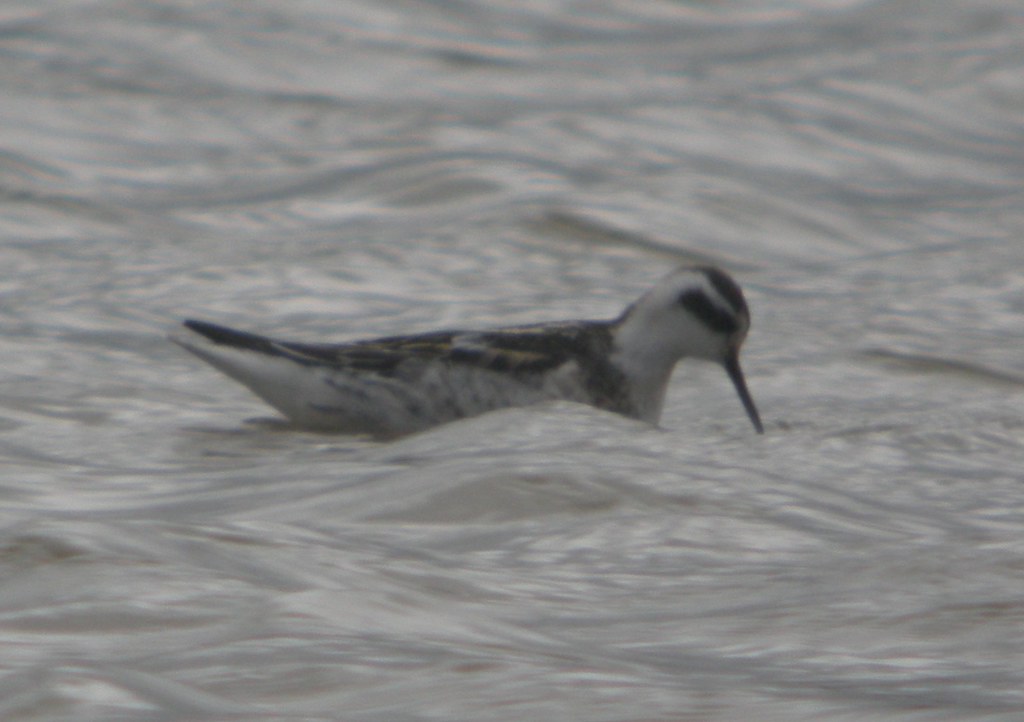
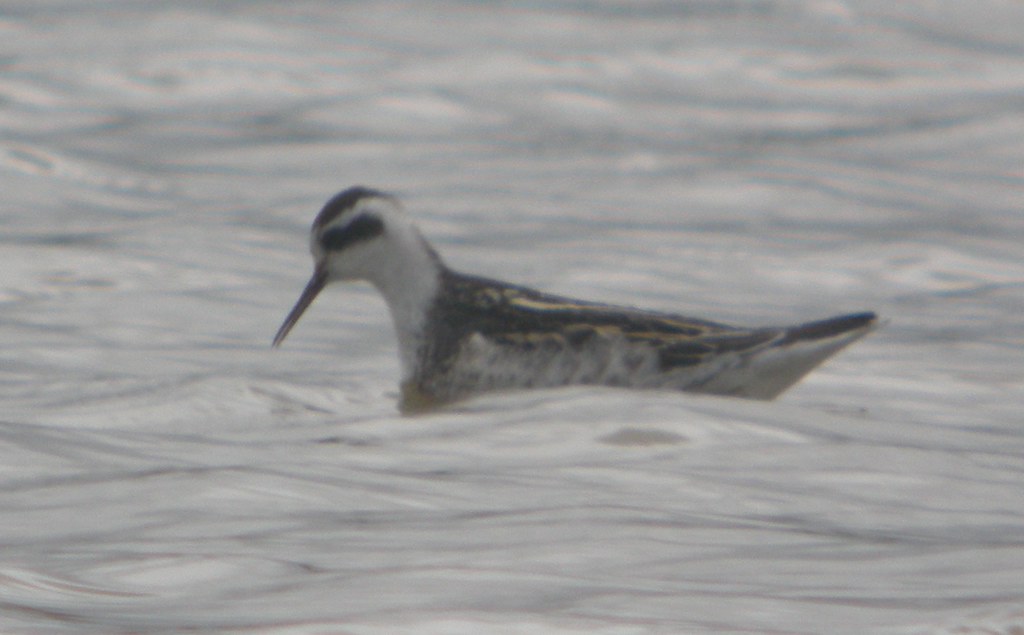
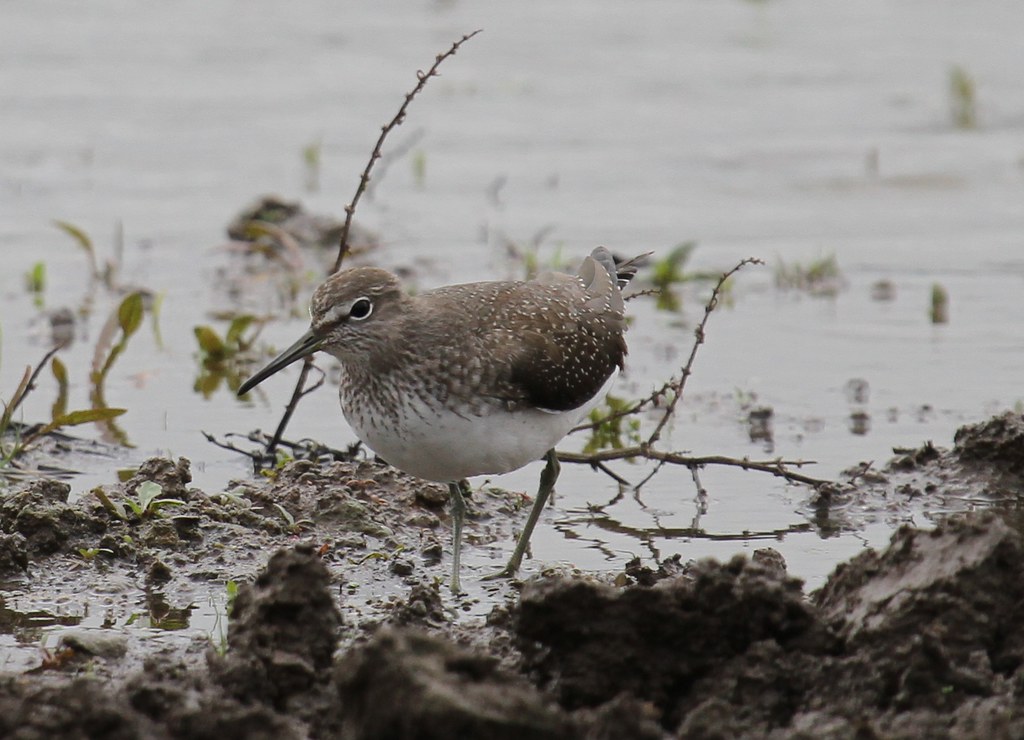
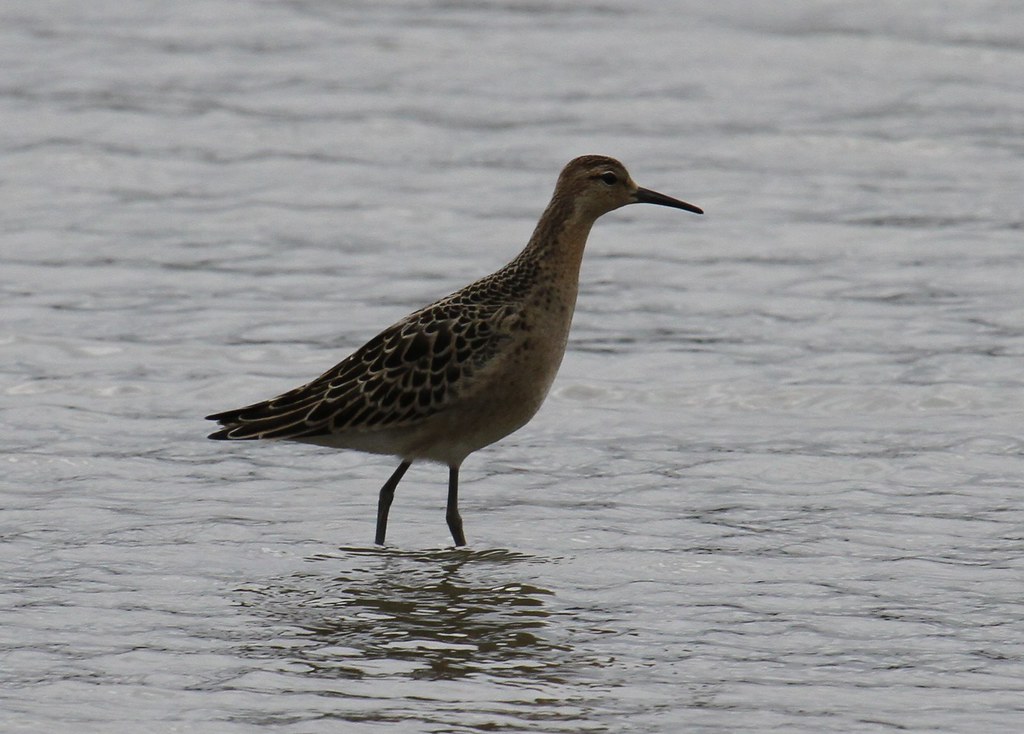
Redwell Marsh was not quite so frustrating, with a lovely juvenile Red-necked Pharalope feeding on the marsh, along with a nice apricot-coloured Ruff and a couple of Green Sandpipers.

Red-necked Phalarope, juvenile, Redwell Marsh, Holme NOA, Norfolk

Red-necked Phalarope, juvenile, Redwell Marsh, Holme NOA, Norfolk

Red-necked Phalarope, juvenile, Redwell Marsh, Holme NOA, Norfolk

Green Sandpiper, Redwell Marsh, Holme NOA, Norfolk


Green Sandpiper, Redwell Marsh, Holme NOA, Norfolk 
Green Sandpiper, Redwell Marsh, Holme NOA, Norfolk

Ruff, juvenile, Redwell Marsh, Holme NOA, Norfolk

Headed up to Holme NOA today in the hope of seeing the Arctic Warbler which was caught and ringed on Monday, but had been a real nut to crack for the rest of the week, only showing once or twice a day. I arrived at 7.30 and spent the first 90 minutes trying to get to grips with the tit flock in the NWT car park, but the bird departed so I joined the small throng of birders in the pines, where after chasing around for 5 minutes I finally saw the bird low down in a pine tree. The Arctic Warbler remained very difficult to see, spending all of its time near the top of pines and never showing for more than 10 seconds.

Redwell Marsh was not quite so frustrating, with a lovely juvenile Red-necked Pharalope feeding on the marsh, along with a nice apricot-coloured Ruff and a couple of Green Sandpipers.

Red-necked Phalarope, juvenile, Redwell Marsh, Holme NOA, Norfolk

Red-necked Phalarope, juvenile, Redwell Marsh, Holme NOA, Norfolk

Red-necked Phalarope, juvenile, Redwell Marsh, Holme NOA, Norfolk

Green Sandpiper, Redwell Marsh, Holme NOA, Norfolk


Green Sandpiper, Redwell Marsh, Holme NOA, Norfolk 
Green Sandpiper, Redwell Marsh, Holme NOA, Norfolk

Ruff, juvenile, Redwell Marsh, Holme NOA, Norfolk

reade more... Résuméabuiyad

Totals from back in Wharfdale

Andy has sent me his totals so far for the swallow roost  and some other stuff.

Since i left he has gone from strength to strength
 TYPICAL!!!!!

915 swallows inc 11 controls
125 sand martins inc 1 control
21 reed warbler inc 4 controls

LE Owl 19 ringed.
 Tawny Owl 18  ringed
 Barn Owl 17 ringed

The Jowster happy times

Andy has sent me his totals so far for the swallow roost  and some other stuff.

Since i left he has gone from strength to strength
 TYPICAL!!!!!

915 swallows inc 11 controls
125 sand martins inc 1 control
21 reed warbler inc 4 controls

LE Owl 19 ringed.
 Tawny Owl 18  ringed
 Barn Owl 17 ringed

The Jowster happy times

reade more... Résuméabuiyad

Ramsey Harbour

Ringing site


My car had to got in for a service today in Ramsey so i left it at the garage and walked down to the harbour
armed with a few spring traps.
Stopped of for a full english  first, its the law 
3 More Rock Pipits ringed

other birds about 
8 Turnstone
14 Mute Swan
4 Wheatears
numerous Herring Gull one of our darvic ones but to far off to read
4 Sandwich Tern

Ramsey Harbour


Juvenile Rock Pipit
Ringing site


My car had to got in for a service today in Ramsey so i left it at the garage and walked down to the harbour
armed with a few spring traps.
Stopped of for a full english  first, its the law 
3 More Rock Pipits ringed

other birds about 
8 Turnstone
14 Mute Swan
4 Wheatears
numerous Herring Gull one of our darvic ones but to far off to read
4 Sandwich Tern

Ramsey Harbour


Juvenile Rock Pipit
reade more... Résuméabuiyad